Follow Me On Social Media!
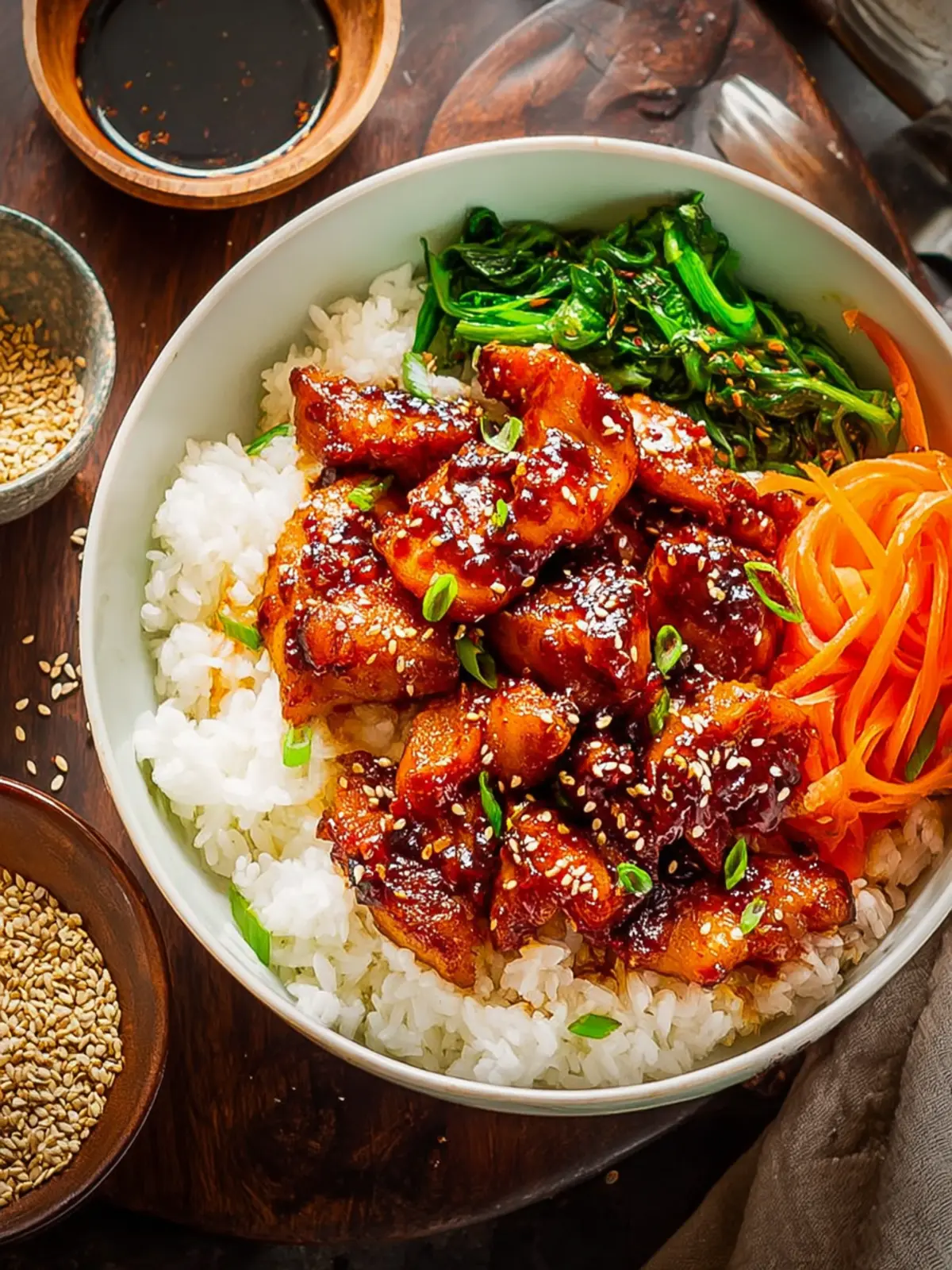
Gochujang Chicken: The Irresistibly Spicy Dinner You Crave

Introduction to Gochujang Chicken
There’s a world of flavor waiting to be explored with gochujang chicken, a dish that brings a vibrant and dynamic twist to your dinner table. Imagine succulent, tender pieces of chicken coated in a rich, spicy-sweet sauce that dances with umami notes. It’s not just a meal; it’s an experience that transports you to the hustle and bustle of lively Korean streets.
Originating from Korea, gochujang is a versatile fermented red pepper paste that combines heat with a hint of sweetness, creating a delightful balance in flavors. When this Korean staple melds with chicken, something magical happens. The gochujang chicken becomes more than just a dish; it’s a testament to the richness of Korean cuisine that has captured hearts and stomachs worldwide.
What makes Gochujang Chicken so special?
What sets gochujang chicken apart is its unique blend of flavors and its adaptability. Whether you’re preparing a family meal or impressing friends at a dinner party, this dish offers a tantalizing punch that is sure to impress. The key components of this recipe are straightforward but elevate the dish to a whole new level. Here’s why it stands out:
-
Flavor Complexity: The gochujang adds not only heat but also a deep, fermented flavor that enhances the chicken beautifully. Paired with garlic, ginger, and sesame oil, these ingredients work in harmony to create a mouthwatering marinade that permeates the chicken.
-
Versatility: You can serve this dish with rice, noodles, or even in a wrap. It’s an excellent option for meal prep, offering delicious leftovers that taste even better the next day.
-
Healthier Option: While it’s packed with flavor, gochujang chicken can easily be made healthier by using lean cuts of chicken and incorporating an array of vegetables.
-
Cultural Experience: Cooking with gochujang allows you to delve into Korean culinary traditions, making meal prep not just about food but about enriching experiences and learning new flavors.
Let’s dive into the recipe and explore how to bring this exciting dish to life in your kitchen!
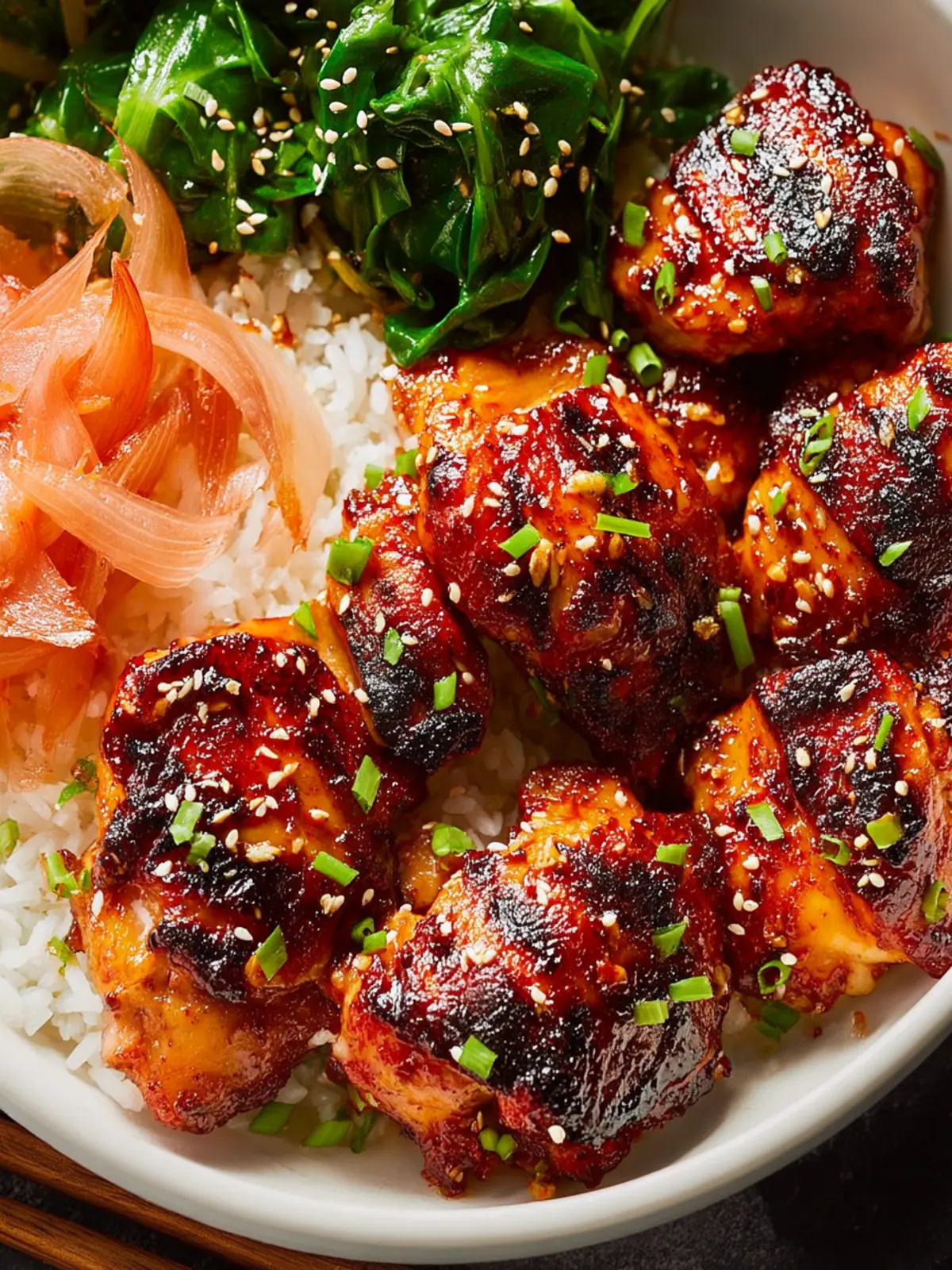
Key Ingredients for Gochujang Chicken
Capturing the essence of a Korean culinary classic, gochujang chicken is a delightful blend of flavors that makes the dish unforgettable. Here’s a closer look at the key ingredients that come together to create this savory, spicy masterpiece.
-
Gochujang: This fermented chili paste is the star of the show. Its rich umami flavor, combined with sweetness and heat, elevates the chicken to new heights. Look for a brand that balances these flavors well for the best results.
-
Chicken: I prefer using boneless, skinless chicken thighs for their juiciness and tenderness, which allows them to soak up the flavors beautifully. If you’re a fan of white meat, chicken breasts work too.
-
Soy Sauce: Essential for providing that salty, savory base, soy sauce complements the sweetness of gochujang and adds depth to the marinade.
-
Garlic and Ginger: Freshly minced garlic and ginger add a fragrant kick that rounds out the flavor profile. Their pungency harmonizes perfectly with the sweetness of the gochujang.
-
Honey: To balance the heat and saltiness, honey adds just the right amount of sweetness, enhancing the overall taste and giving the chicken a pleasant glaze.
-
Sesame Oil: A drizzle of sesame oil not only contributes a nutty aroma but also rounds out the dish, giving it an authentic Korean touch.
With these ingredients, you’re set for a culinary adventure that promises bold flavors and comforting warmth in every bite.
Why You’ll Love This Gochujang Chicken
Gochujang chicken is not just a meal; it’s an experience that brings comforting warmth and excitement to your dinner table. Imagine a busy weeknight where a quick dash of flavor can transform your mood and elevate your dining experience. This dish harnesses the unique umami richness of gochujang, a Korean chili paste that adds depth and a spicy kick to your chicken.
A Fusion of Flavors
The secret to why you’ll love this dish lies in the harmony of its ingredients. Gochujang brings a perfect blend of sweetness, spiciness, and fermentation, all of which beautifully complement tender chicken. Each bite bursts with flavor, keeping your palate intrigued and satisfied.
Healthy and Wholesome
Not only does this gochujang chicken indulge your taste buds, but it also caters to health-conscious dining. Packed with muscle-repairing protein and low in carbohydrates, it’s fit for anyone looking to balance their nutrition without sacrificing taste. Serve it with a side of steamed vegetables or over a bed of fluffy rice, and you have a well-rounded meal that feels as good as it tastes.
Quick and Easy
The best part? This gochujang chicken comes together in a short time. Perfect for young professionals, it’s a delicious solution for busy evenings. Just marinate your chicken, sauté it, and dinner is ready in no time! You’ll be asking yourself why you didn’t try this sooner.
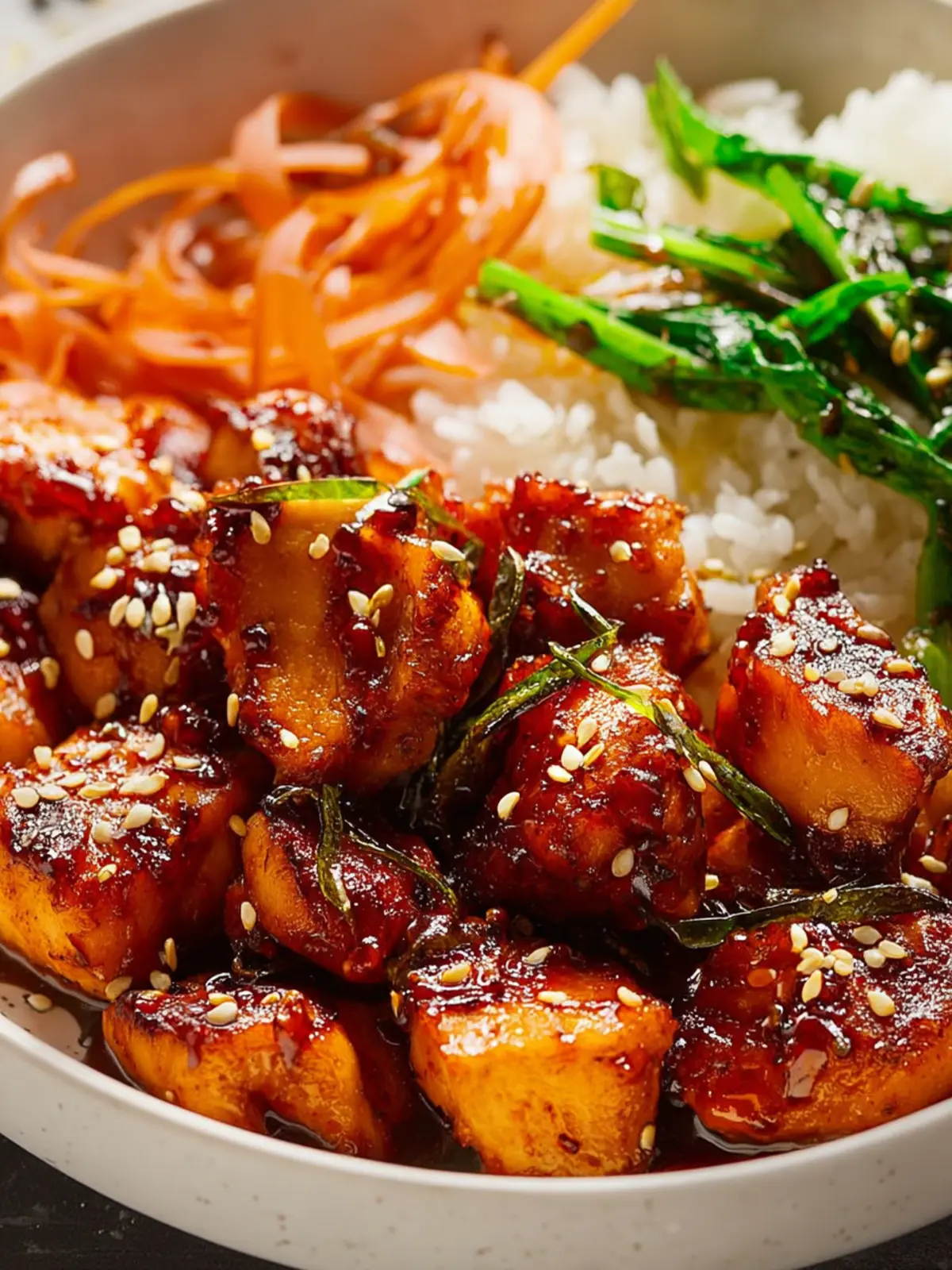
Tips for Making Perfect Gochujang Chicken
Creating a flavorful dish of gochujang chicken is an experience that starts with vibrant ingredients and a little creativity in the kitchen. To elevate your dish to new heights, here are some tips drawn from my own culinary adventures.
Quality Ingredients Matter
- Chicken: Opt for boneless, skinless chicken thighs. They tend to be juicier and more flavorful than breasts, especially when marinated in that delightful gochujang sauce.
- Gochujang: Use a high-quality gochujang for an authentic taste. This rich, fermented chili paste not only adds spice but also depth. Brands vary; find one that suits your heat level and flavor preference.
- Marinade: Don’t rush the marination process. Allow the chicken to sit in the marinade for at least 30 minutes—ideally several hours or overnight. This ensures the flavors permeate every bite.
The Perfect Cooking Method
- Grilling vs. Baking: While grilling can impart a wonderful smoky flavor, baking allows for more even cooking. If you’re short on time, broiling works wonders, too—just keep a close eye to prevent burning.
- Resting Time: After the chicken is cooked, let it rest for about 5 minutes before slicing. This step helps the juices redistribute, ensuring each bite is moist and delectable.
Serving Suggestions
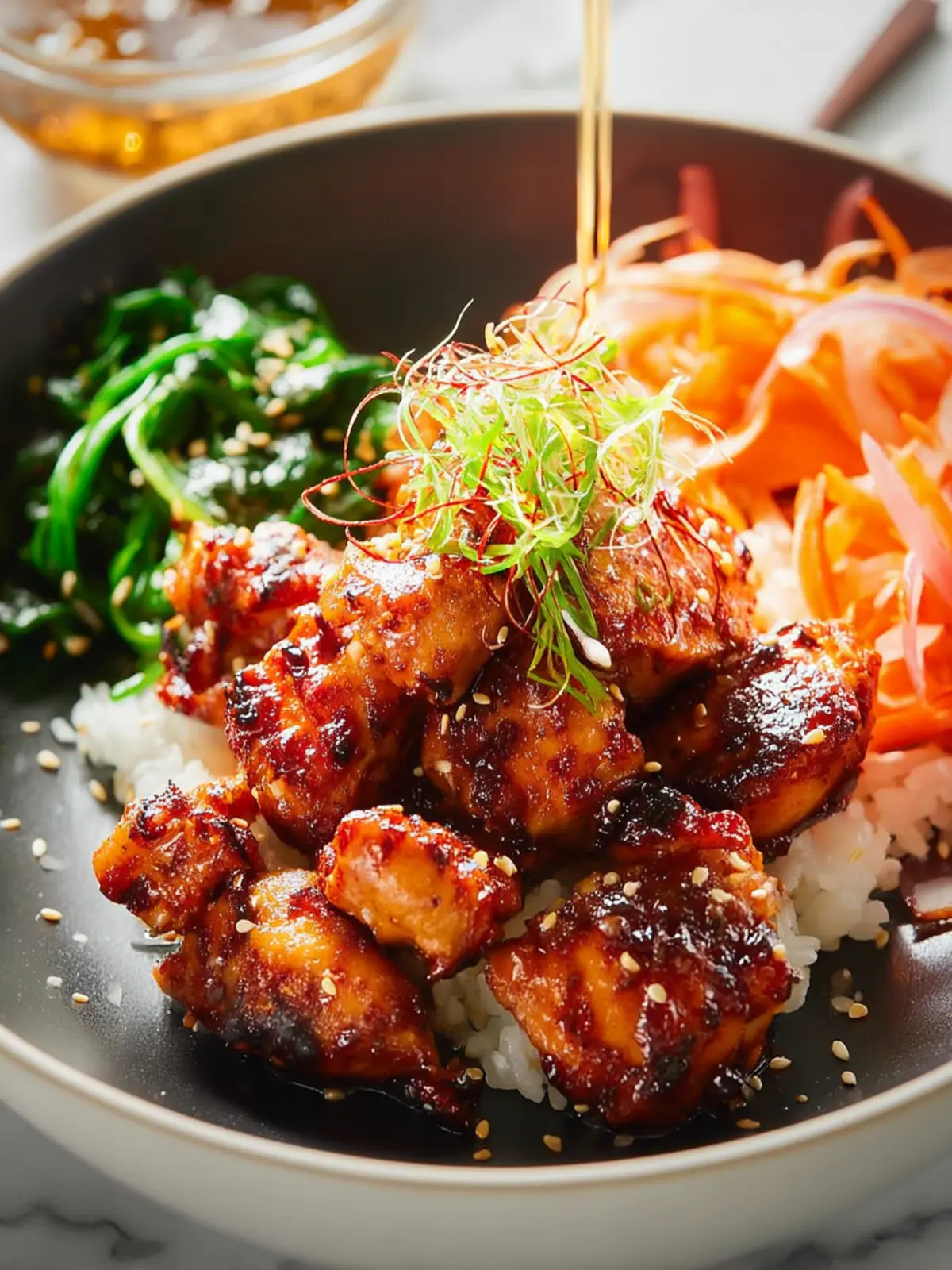
- Garnish your gochujang chicken with sesame seeds and fresh scallions for a pop of color and extra flavor. Serve with steamed rice and pickled vegetables for a complete meal that balances richness and crunch.
By following these tips, you’ll not only master making gochujang chicken but also delight your taste buds and those of your guests!
Time Details for Gochujang Chicken
When diving into the delightful world of gochujang chicken, it’s important to manage your time wisely. This flavorful dish can easily fit into a busy weeknight schedule, making it a fantastic choice for both meal prep and spontaneous cooking.
Preparation Time
Getting everything ready for your gochujang chicken takes about 15 minutes. This includes marinating the chicken, chopping your vegetables, and gathering all the ingredients.
Cooking Time
The cooking process is relatively quick, requiring around 20 minutes. This is enough time to pan-sear the chicken to juicy perfection while allowing the gochujang sauce to develop its rich, spicy flavor.
Total Time
In just 35 minutes, you can have a stunning and satisfying gochujang chicken dish on your table, making it perfect for a quick dinner option without sacrificing taste.
Nutritional Information for Gochujang Chicken
Gochujang Chicken is not only a flavorful dish; it also provides some interesting nutritional benefits that cater to various dietary needs.
Calories
A serving of Gochujang Chicken typically contains around 300 calories. This makes it a satisfying meal option without feeling heavy.
Protein
One of the standout features of this dish is its protein content, often reaching about 30 grams per serving. This makes it a great choice for those looking to keep their energy levels high throughout the day.
Sodium
While delivering robust flavors, Gochujang does contain sodium; a serving can have approximately 800 mg. It’s important to enjoy this dish in moderation, especially for those monitoring their sodium intake for health reasons.
Incorporating Gochujang Chicken into your weekly meal prep can be an exciting way to add flavor and nutrition to your routine!
FAQs about Gochujang Chicken
Understanding the ins and outs of Gochujang Chicken can elevate your culinary experience and make meal prep a breeze. Here are some common questions that might cross your mind as you explore this delicious dish.
What can I serve with Gochujang Chicken?
Pairing your Gochujang Chicken with complementary sides can really round out your meal. Here are some ideas:
- Steamed Rice: A classic choice; the rice soaks up the delicious sauce.
- Kimchi: Adds a spicy and tangy contrast that balances the dish perfectly.
- Stir-Fried Vegetables: Broccoli, bell peppers, or snap peas add color and crunch.
- Noodles: Try it over rice noodles or soba for a different texture.
- Salad: A fresh cucumber salad can provide a refreshing contrast to the spicy chicken.
How do I adjust the spiciness of Gochujang Chicken?
The beauty of Gochujang Chicken lies in its versatility. If you prefer a milder flavor, you can dilute the gochujang with a little honey or soy sauce, which will still impart great taste without overwhelming heat. For those who enjoy some heat, consider adding more gochujang or even spicing it up with chili flakes or fresh sliced chili peppers.
Can I make this Gochujang Chicken ahead of time?
Absolutely! Preparing Gochujang Chicken ahead of time can save you meal prep time during busy weeks. Simply marinate the chicken in the sauce and refrigerate it for up to 24 hours before cooking. You can also fully cook the dish and store leftovers in an airtight container for up to 3 days. Reheat gently in a skillet or the microwave, and you’re good to go!
Conclusion on Gochujang Chicken
In wrapping up our adventure with gochujang chicken, it’s clear this dish is more than just a meal; it’s a delightful fusion of flavors that leaves a lasting impression. The rich, spicy-sweet sauce perfectly complements the tender chicken, making it a standout choice for busy weeknights or special occasions.
Embracing this recipe means embracing versatility; feel free to customize it with your favorite veggies or a protein swap. Whether it’s served over rice or tucked into a taco, gochujang chicken offers a taste of Korea that anyone can enjoy. Dive into this culinary experience, and enjoy every bite!
Print
Soy Sauce Chicken with Gochujang
- Total Time: 20 minutes
- Yield: 4 servings 1x
- Diet: gluten-free
Description
This delicious soy sauce chicken recipe incorporates gochujang and sesame for an irresistible flavor profile.
Ingredients
Scale
- 3–4 tablespoons soy sauce (I use regular but you can use lite and add salt; use tamari or coconut aminos to keep gluten-free)
- 1–2 tablespoons gochujang paste
- 1 teaspoon toasted sesame seeds
- 1 teaspoon cornstarch
- 1 teaspoon ground ginger (or to taste or 1–2 teaspoons freshly grated ginger)
- 1/2 teaspoon garlic powder (or to taste)
- 1–1 pounds boneless chicken thighs (diced into bite-sized pieces; boneless skinless chicken breasts may be substituted)
- 1 tablespoon olive oil (or as needed; another neutral oil like avocado oil may be substituted)
- 1 tablespoon granulated sugar (brown sugar may be substituted)
- 1 tablespoon rice vinegar
- 1–2 teaspoons toasted sesame oil
- salt, as needed and to taste
- freshly ground black pepper, as needed and to taste
- optional garnishing: sesame seeds, green onions, fresh herbs such as cilantro or basil, red pepper flakes for heat
Instructions
- Marinade: To a medium bowl, add all the sauce ingredients, chicken, toss to combine and coat, and marinate for about 10-15 minutes (or if you have time, 30-60 minutes but place the bowl in the fridge).
- Chicken: To a large skillet (if you have cast iron, it’s great here), add the oil, chicken (discard excess marinade), and cook over medium-high heat for about 6-7 minutes, or as needed until the chicken is cooked through. Stir and flip frequently to ensure even cooking.
- Sauce: While the chicken is cooking, to a small bowl or glass measuring cup, add all the sauce ingredients (except the garnishing items) and whisk to combine.
- After the chicken has cooked through, slowly and evenly pour the sauce over the chicken, scrape up any browned bits from the bottom of the skillet, and allow the sauce to simmer for about 1-2 minutes or as needed to thicken it to your liking; stir nearly continuously which will help encourage the sauce to thicken.
- Sauce Thickening Tips: Depending on how much soy sauce you used, and the exact amount of chicken, and your preference for how thick the sauce is, optionally if you want it a bit thicker, sprinkle 1/2 teaspoon cornstarch directly into the sauce as it’s simmering, and continue to stir. The combination of the heat, cornstarch, and stirring will cause the sauce to thicken pretty quickly. Remember that sauce always looks looser in the skillet and as the chicken cools out of the skillet, it will tighten up more.
- Garnishing: Taste, and if desired, add additional salt, pepper, red pepper flakes for heat, additional sesame seeds, green onions, herbs, etc. and serve.
Notes
- This dish can be served over rice or noodles for a complete meal.
- Adjust the amount of gochujang based on your spice preference.
- For gluten-free options, make sure to use gluten-free soy sauce or tamari.
- Prep Time: 10 minutes
- Cook Time: 10 minutes
- Category: Dinner
- Method: stovetop
- Cuisine: Asian
Nutrition
- Serving Size: 1 cup
- Calories: 350
- Sugar: 2g
- Sodium: 800mg
- Fat: 10g
- Saturated Fat: 1g
- Unsaturated Fat: 8g
- Trans Fat: 0g
- Carbohydrates: 15g
- Fiber: 1g
- Protein: 40g
- Cholesterol: 100mg