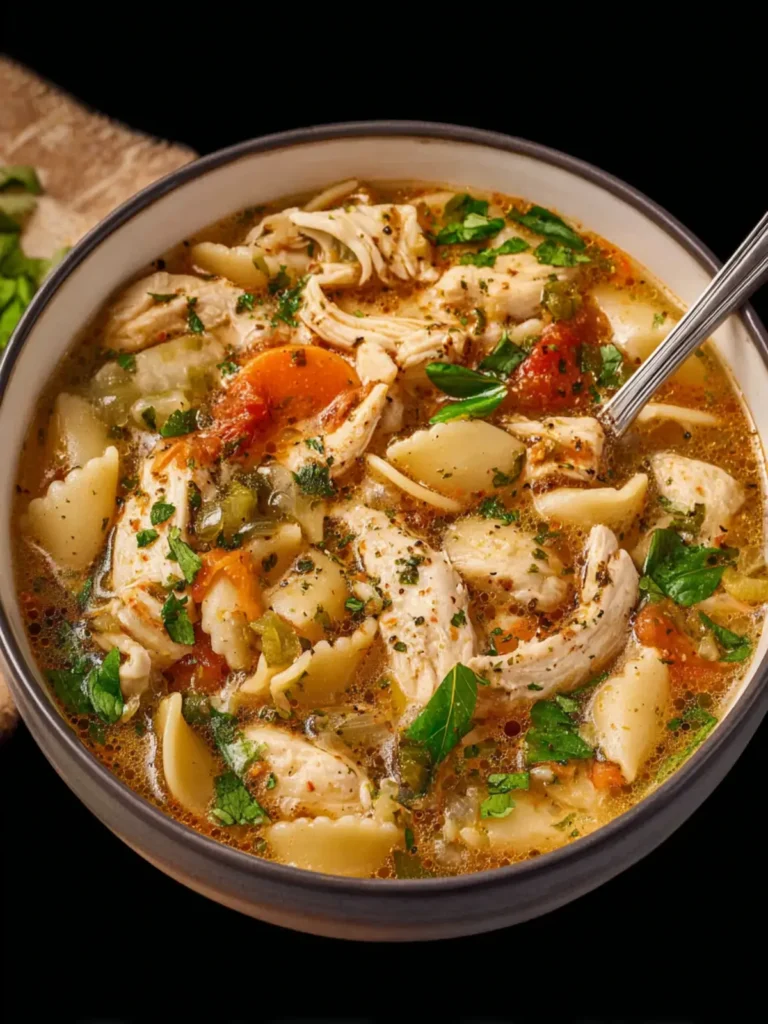
Follow Me On Social Media!
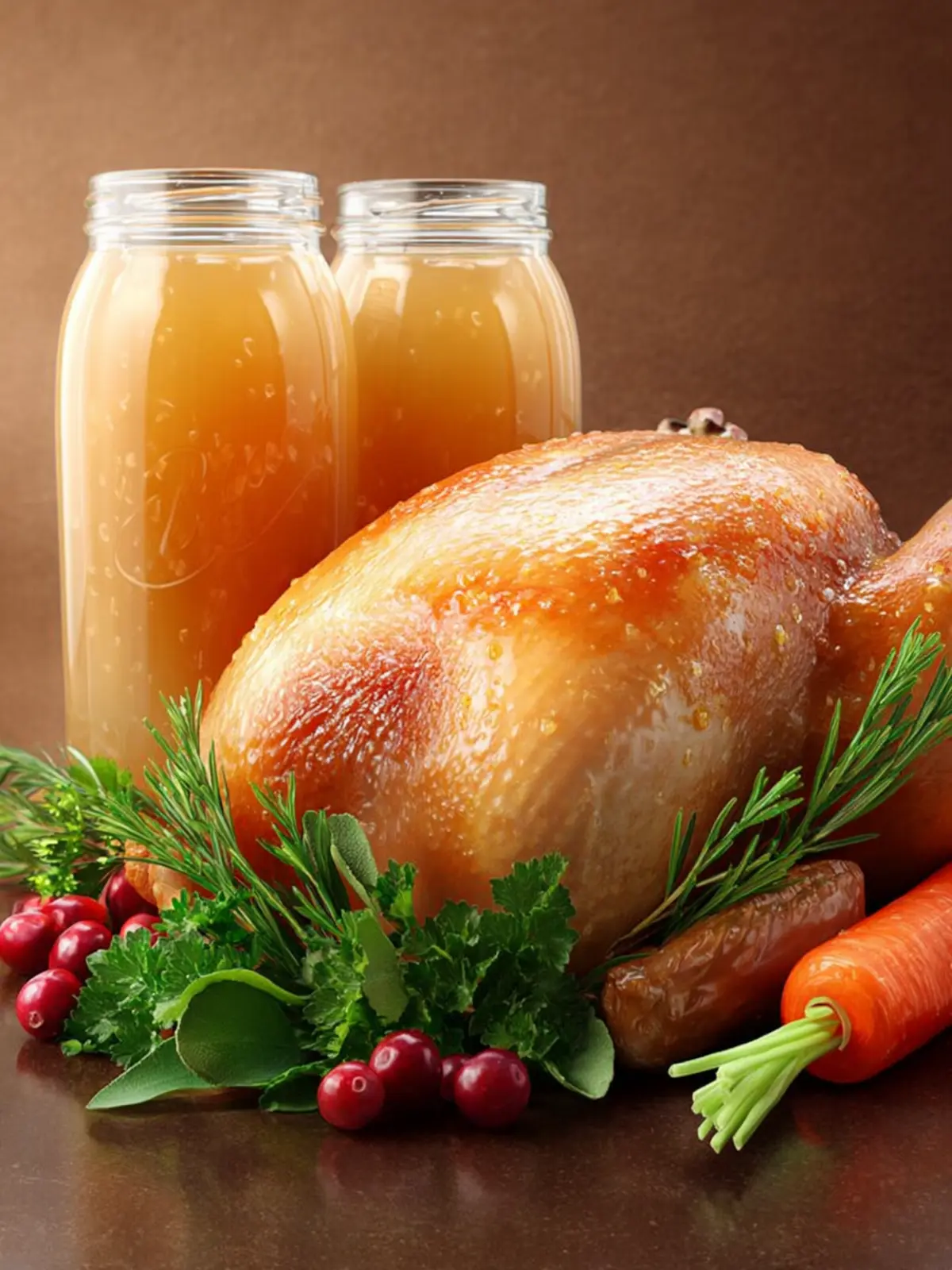
Turkey Stock Made Easy: The Best Flavor for Your Dishes

Introduction to Turkey Stock
Creating turkey stock is much more than just a way to use leftover scraps; it’s an opportunity to capture the warm, comforting essence of family gatherings and cherished meals. This culinary tradition dates back centuries, with roots in many cultures that recognize the value of good broth. In homes across the globe, stock-making has transformed kitchen leftovers into flavor-packed foundations for soups, sauces, and a variety of fabulous dishes.
During the holidays, you might find yourself with extra turkey bones from that family feast. Instead of tossing them out, why not channel your inner chef and turn them into a luscious turkey stock? The extended simmering brings out a deep flavor that enriches everything from gravies to risottos. Plus, making stock is straightforward and incredibly forgiving; it’s as much an art as it is a science. All you need are a few essentials, and you can create a pot of savory goodness that warms the soul.
The rich history and comfort of turkey stock
The history of stock-making can be traced back to ancient times when the act of simmering bones was a practical way to extract nutrients and flavor. In many households, turkey stock has become a staple that symbolizes comfort, nurturing, and the essence of home-cooked meals. It envelops us in nostalgia, often reminding us of winters spent by the fireplace or holiday get-togethers filled with laughter and full bellies.
Incorporating turkey stock into your cooking can elevate your dishes to a whole new level. It is a versatile ingredient that can be used in countless recipes, lending richness and depth to everything from soups to stews. Moreover, there’s something inherently satisfying about preparing stock yourself – the slow-bubbling pot on your stove can fill your kitchen with a cozy aroma that beckons everyone home.
So, whether you’re preparing a cozy weeknight dinner or planning a festive holiday feast, understanding the art of making turkey stock enriches your culinary repertoire and brings you closer to a time-honored tradition that celebrates nourishment and warmth in every spoonful.
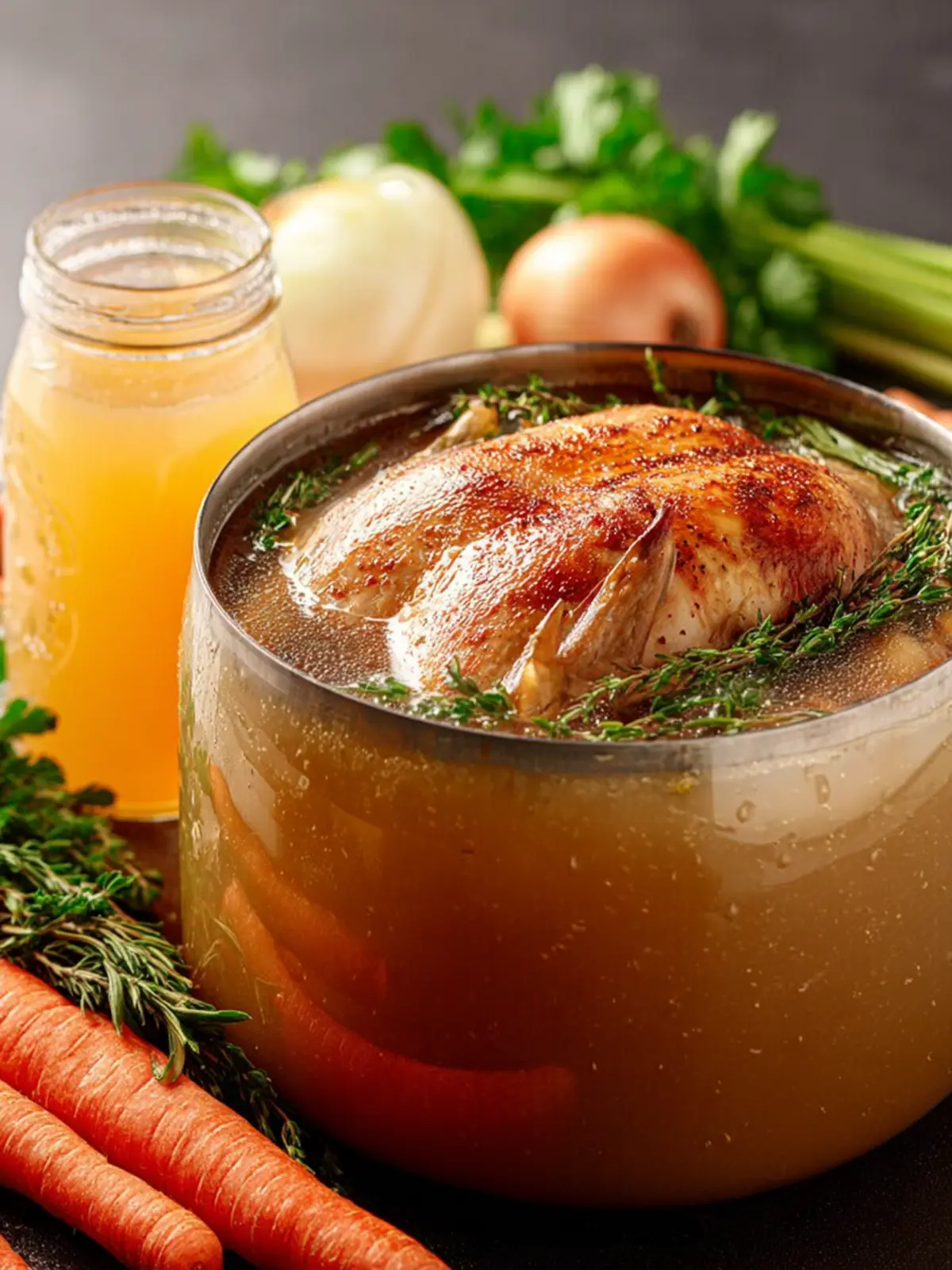
Key Ingredients for Turkey Stock
Creating the perfect turkey stock starts with the right ingredients. Just like a treasured family recipe, each component plays a vital role in bringing rich flavors to life, especially during those cozy fall evenings.
Turkey Bones: The backbone of any great stock, the bones carry the essence of turkey flavor. I prefer using leftover carcasses from roasted turkey, as they impart that delightful depth to the stock that’s hard to replicate.
Aromatics: Onions, carrots, and celery are my go-to trio. They build a robust flavor base. Use two onions (quartered), two carrots (chopped), and two celery stalks (chopped). Roasting them slightly before adding to the pot can enhance their sweetness too.
Garlic: A whole bulb of garlic, smashed but kept in its skin, releases a gentle sweetness and aroma that elevates the stock remarkably.
Herbs: Fresh thyme and parsley sprigs lend a herbaceous hint. I typically toss in a bay leaf for an added layer of complexity.
Water: This may seem simple, but quality matters! Use cold, filtered water to extract those flavors effectively.
Combining these ingredients carefully and letting them simmer unlocks a turkey stock that will warm the heart and soul.
Why You’ll Love This Recipe
Crafting your own turkey stock is not just about enhancing your meals; it’s about creating a cozy kitchen experience that fills your home with warmth and nostalgia. Imagine simmering a pot of rich stock, the enticing aroma wafting through your space, promising comfort with every bubble that rises to the surface. This recipe will turn your ordinary cooking routine into something special.
Comforting warmth and versatility at your fingertips
When you make your own turkey stock, you’re unlocking a world of culinary possibilities. Whether you’re prepping for a cozy soup night or laying the foundation for a spectacular Thanksgiving feast, this basic stock serves as the perfect backbone. You can adjust the flavors by adding herbs or vegetables you love, making it uniquely yours.
Feeling inspired to dive deeper into your cooking? Consider that homemade turkey stock not only elevates taste but is also a fantastic way to reduce waste. Those leftover turkey bones and vegetable scraps transform into something nourishing and delicious, bringing both satisfaction and environmental consciousness to your kitchen.
With just a few simple ingredients and some patience, you’re not just following a recipe; you’re creating a nourishing tradition that can be passed down through generations. So roll up your sleeves and enjoy the process!
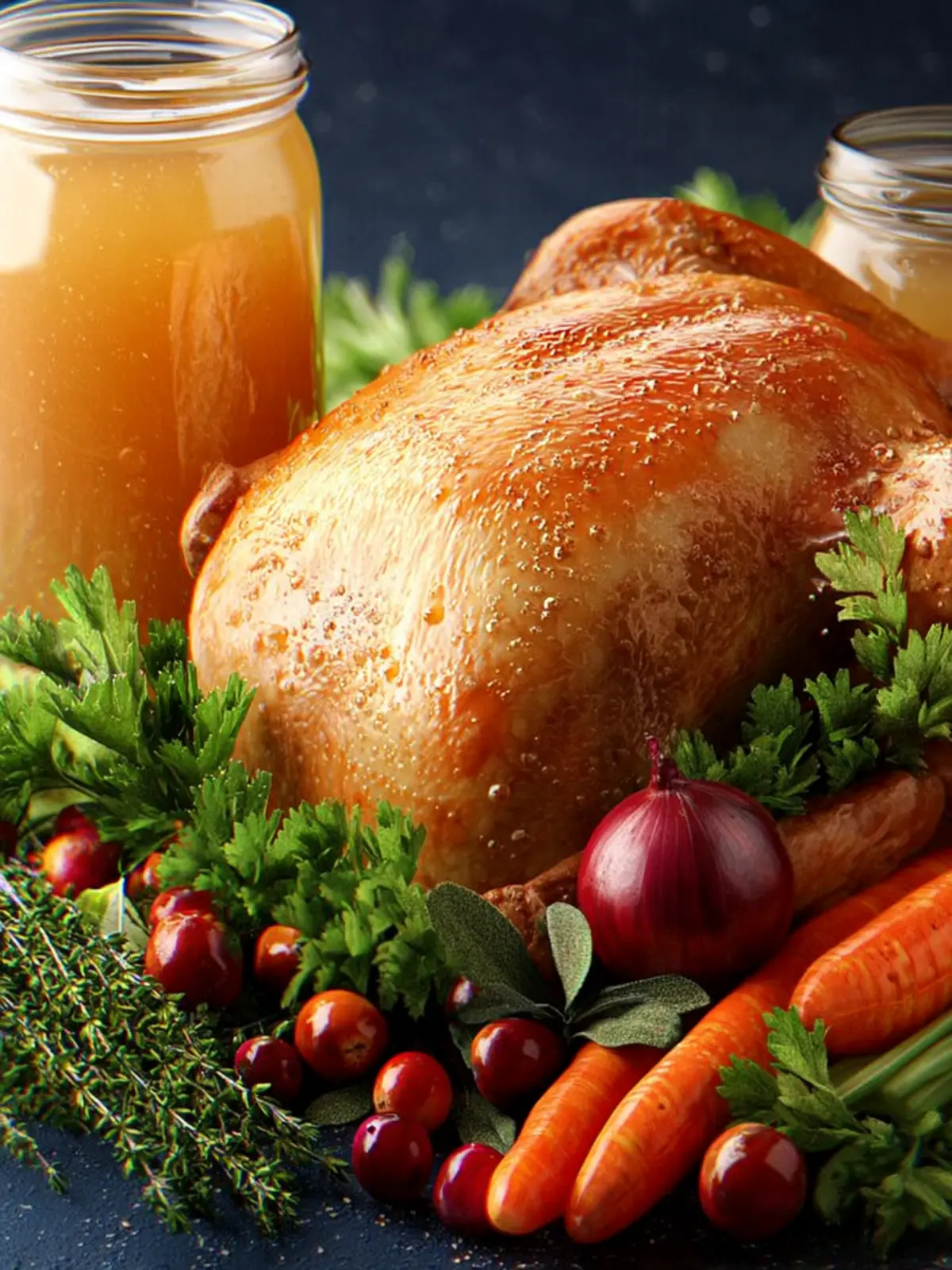
Cooking Tips and Notes for Turkey Stock
Making a rich, flavorful turkey stock can transform your culinary dishes, turning an ordinary meal into something profound and hearty. Think of it as the comforting embrace of home-cooked goodness in a bowl. Let’s dive into some best practices that will elevate your stock-making skills and ensure that your turkey stock is nothing short of spectacular.
Best Practices to Elevate Your Stock-Making Skills
-
Select Quality Ingredients: Just like any great dish, a flavorful stock begins with high-quality ingredients. Use leftover turkey bones, fresh vegetables, and aromatic herbs to get the best results. Always check for freshness and avoid any wilting or browning.
-
Roast the Bones: Adding a roasting step imparts a deeper flavor. Just lay the bones on a baking sheet, drizzle with a little oil, and roast at 400°F for about 30 minutes until they’re golden.
-
Cold Water is Key: Start with cold water. It helps extract the collagen from the bones, leading to a richer texture.
-
Skim the Foam: As the stock simmers, you’ll often see foam rise to the top. Skimming this off ensures a clearer stock without any off-flavors.
-
Don’t Rush It: Give your turkey stock time to develop flavor—aim for at least 4 hours of simmering. Longer cooking releases more flavor and nutrients.
Adopting these simple yet effective practices will ensure you craft a savory turkey stock that serves as the foundation for countless delicious meals!
Serving Suggestions for Turkey Stock
Using your turkey stock is a delightful journey into the world of flavor. Whether you’ve just roasted a turkey for a special occasion or simply want to harness that rich, comforting essence, homemade turkey stock can elevate numerous dishes.
Creative Ways to Incorporate Your Homemade Stock
-
Hearty Soups: Start with a base of turkey stock for luscious soups. A turkey noodle soup, paired with vegetables, nourishes both body and soul. This is perfect for those chilly evenings when you want something warm and fulfilling.
-
Risottos and Grain Dishes: Substitute water or broth with turkey stock in your risotto or grain dishes like quinoa or farro. The depth of flavor from the stock infuses the grains, making your meals irresistible.
-
Savory Sauces: Use turkey stock as the foundation for gravies or sauces. A simple reduction of stock with herbs and seasonings can transform a regular dish into a culinary masterpiece.
-
Stews and Braises: Add richness to your stews or braised dishes. Turkey stock not only enhances the flavor but also helps to create a well-rounded sauce that coats your meats and vegetables tenderly.
-
Cooking Grains: When cooking rice or pasta, swap out plain water for turkey stock for an added depth of flavor. Your side dishes will become a highlight rather than an afterthought.
By incorporating turkey stock in these creative ways, you’ll find that each bite is a testament to the richness of homemade cooking.
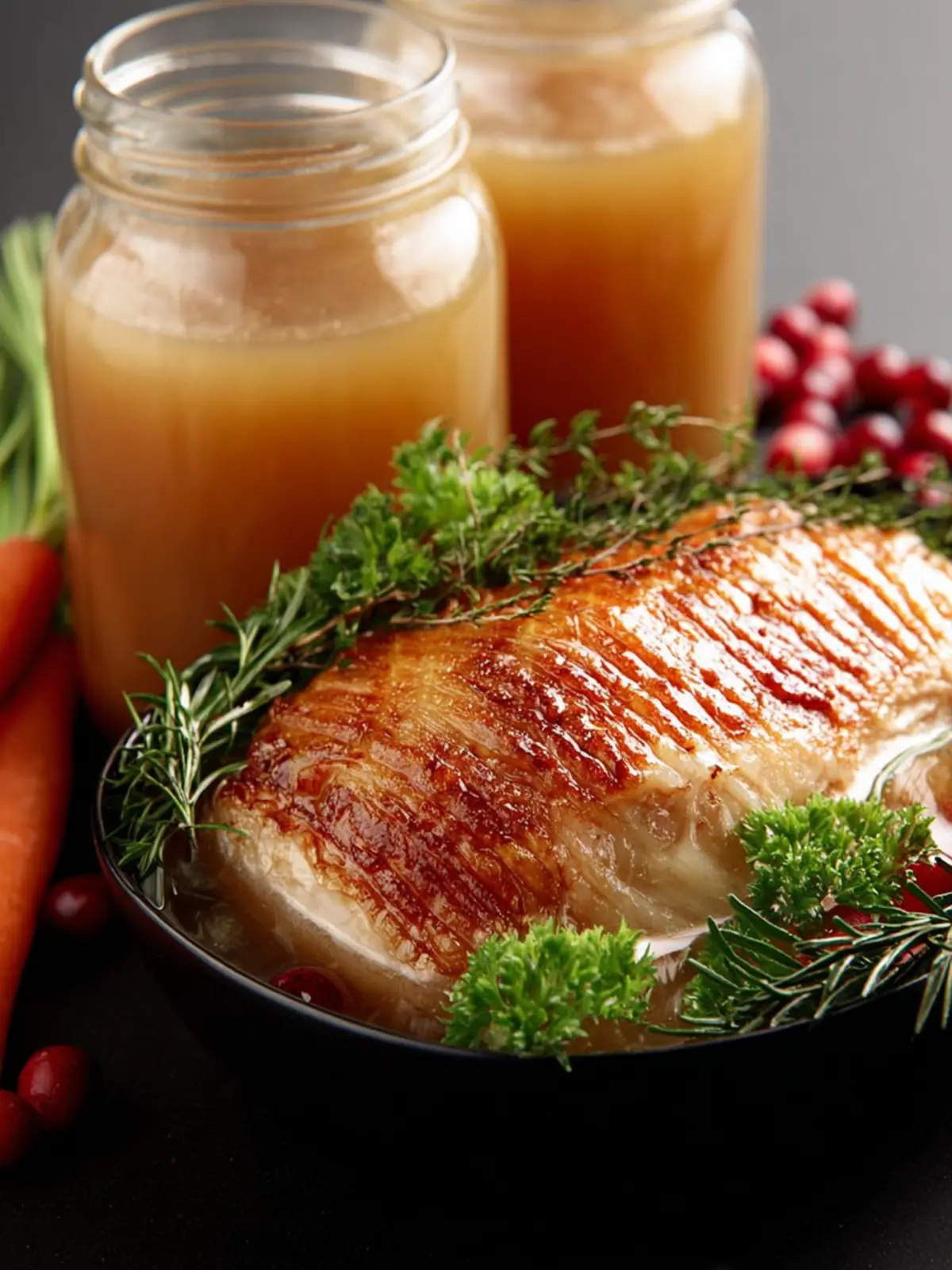
Time Breakdown for Making Turkey Stock
Creating your own turkey stock is not only a delicious endeavor but also a fulfilling one. The rich, savory flavor you’ll achieve from simmering leftover turkey parts is worth the time investment. Let’s break down how long this comforting stock will take to prepare and enjoy.
Preparation time
Spend about 15 to 20 minutes gathering your ingredients and chopping any vegetables you choose to use. This is the time for a little culinary meditation as you bring your stock journey to life!
Cooking time
Allow your stock to simmer for 4 to 6 hours. This slow cooking process draws out all the flavors from the turkey and herbs, creating a rich and aromatic base for soups and sauces.
Total time
All together, you’re looking at around 4 to 6 hours and 20 minutes, including preparation. The long simmering time will reward you with a homemade turkey stock that’s far better than any store-bought version. Enjoy your flavorful creation later on!
Nutritional Facts about Turkey Stock
When you take the time to create your own turkey stock, you’re not just elevating your dishes—you’re making a nutrient-rich addition to your meals. Let’s dive into the nutritional facts that make turkey stock a flavorful element worth preparing.
Calories
In just one cup of turkey stock, you can expect around 60 calories. This makes it an ideal base for soups and gravies without heavily adding to the calorie count of your meal.
Protein
Packed with about 7 grams of protein per cup, turkey stock serves as a great way to boost your protein intake, especially when you’re enjoying it in a hearty soup or stew. It’s a savory way to nourish your body.
Sodium
When it comes to sodium, homemade turkey stock allows you to control the amount, with roughly 400 milligrams per cup. This is significantly lower than many store-bought varieties, helping you keep your sodium intake in check.
FAQs about Turkey Stock
Can I use a frozen turkey carcass?
Absolutely! If you have a frozen turkey carcass, don’t hesitate to use it for making turkey stock. Just make sure to thaw it properly before adding it to your pot. You can let it sit in the refrigerator overnight or do a quick thawing in cold water (sealed in a bag). A frozen carcass may even impart a richer flavor since it’s had more time for the flavors to develop while frozen.
How long can I store turkey stock?
Once you’ve lovingly crafted your turkey stock, you’re probably wondering how long it will last. In the refrigerator, homemade turkey stock will be good for about 4 to 5 days. If you want to extend its life, consider freezing it. Properly stored in an airtight container or freezer bag, it can last for 3 to 4 months. Just be sure to label your containers with the date so you can use it in time.
What dishes can I make with turkey stock?
The beauty of turkey stock is its versatility; it can elevate so many dishes. Here are some ideas to get you started:
- Soups and Stews: Use turkey stock as a base for delicious soups like turkey noodle soup or hearty vegetable stew.
- Sauces and Gravies: A splash of stock can turn a simple gravy into a gourmet delight, perfect for your Thanksgiving leftovers.
- Risottos or Quinoa: Cooking grains in turkey stock instead of water adds an amazing depth of flavor.
So, don’t let that precious liquid go to waste; it’s your ticket to making everyday meals extraordinary!
Conclusion on Turkey Stock
Embracing the joy of homemade stock transforms simple cooking into a delightful experience. Crafting your own turkey stock is not just about flavor; it’s about nurturing a tradition that fills homes with warmth. As the stock simmers, those enticing aromas envelop your kitchen, promising delicious meals ahead. Whether it’s for soups, sauces, or risottos, homemade turkey stock elevates each dish, making it memorable. Remember, the love you pour into your stock will infuse your meals, leaving a lasting impact on your family and friends. So, grab those ingredients and let your culinary creativity flow!
Print
Turkey Stock
- Total Time: 4 hours 15 minutes
- Yield: 4 quarts 1x
- Diet: Gluten-Free
Description
A simple turkey stock recipe using leftover carcass, vegetables, and herbs.
Ingredients
Scale
- 1 turkey carcass (including leg and wing bones separated into pieces)
- 2 onions (quartered)
- 5 ribs celery (cut into 2-inch pieces)
- 5 carrots (cut into 2-inch pieces)
- 1 bouquet of fresh parsley and fresh thyme (tied in a bouquet)
- 1 teaspoon black peppercorns
Instructions
- Place all your ingredients into a large stockpot, cover with water.
- Bring to a boil, then simmer for 3-4 hours until liquid is reduced by about half.
- Allow the stock to cool slightly.
- Discard the carcass, vegetables, and herbs.
- Strain the stock through a fine-mesh strainer over a very large bowl or large pot.
- Use immediately or cool and store.
Notes
- Great for soups and sauces.
- Can be stored in the refrigerator or freezer for later use.
- Prep Time: 15 minutes
- Cook Time: 4 hours
- Category: Soup
- Method: Stovetop
- Cuisine: American
Nutrition
- Serving Size: 1 cup
- Calories: 50
- Sugar: 0g
- Sodium: 10mg
- Fat: 1g
- Saturated Fat: 0g
- Unsaturated Fat: 0g
- Trans Fat: 0g
- Carbohydrates: 1g
- Fiber: 0g
- Protein: 10g
- Cholesterol: 15mg