Follow Me On Social Media!
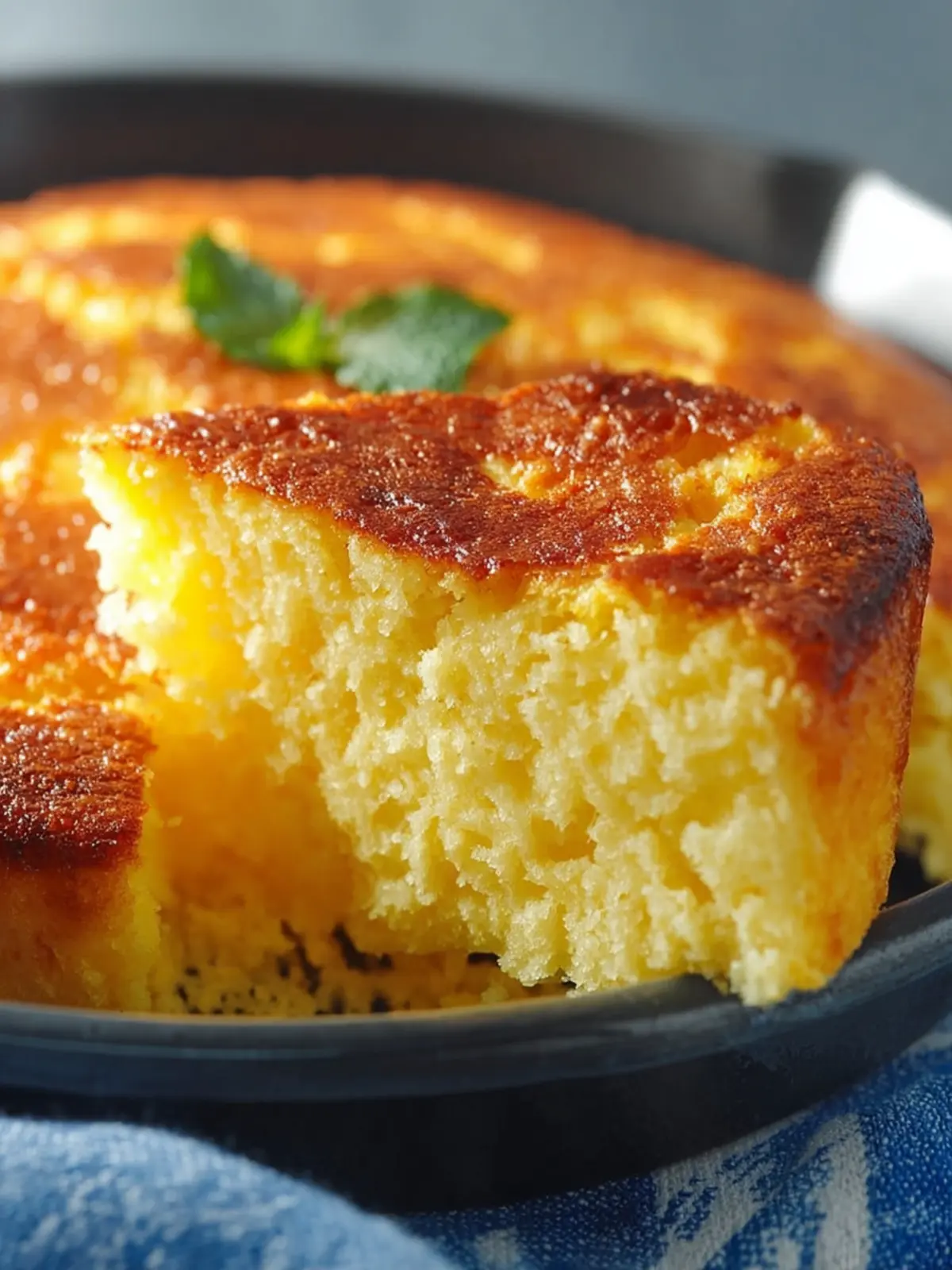
Colonial Spoon Bread: The Best Comfort Food You’ll Crave

Introduction to Colonial Spoon Bread
Colonial Spoon Bread stands as a delicious testament to the rich culinary heritage of early American settlers, weaving together stories of warmth, simplicity, and comfort. This creamy, cornbread-like dish comes straight from the heart of the South, where it was often served alongside hearty meals, making it a beloved staple in many households. The beauty of Colonial Spoon Bread lies not just in its texture and flavor, but also in its humble origins and the way it brings people together around the dining table.
The origins of this dish can be traced back to the Native American tradition of using cornmeal, which was then adapted by European settlers who were eager to embrace local ingredients. What makes Colonial Spoon Bread so special is how it reflects the evolution of food in America—combining indigenous and European influences in a simple yet delightful recipe. It is the perfect blend of sweet and savory, with a tender, pudding-like interior that make it a delightful side or even a standalone dish.
This traditional recipe calls for just a few simple ingredients, but each plays a vital role in creating that signature moist and fluffy texture. As you whip up Colonial Spoon Bread, you’ll find the process both straightforward and satisfying, inviting you to connect with centuries of culinary tradition. Picture yourself in a cozy kitchen, bustling with activity as family members gather to taste this dish, which is often served warm straight from the oven. The enticing aroma wafting through the air as this delectable delight bakes is sure to evoke the warmth of those bygone days.
As you delve into this recipe, remember that Colonial Spoon Bread is more than just a dish—it’s a delicious glimpse into history and a way to bring a taste of the past into your modern kitchen. Enjoy creating this delightful comfort food and share its rich history with friends and family.
What Makes Colonial Spoon Bread So Special?
- Culinary Heritage: This dish represents a unique blend of Native American and early European settler influences.
- Versatile Serving: While typically served as a side, it can also be enjoyed as a standalone dish, perfect for breakfast or dinner.
- Comforting Flavors: The creamy texture and slightly sweet undertones create a warm and inviting flavor profile that is hard to resist.
By understanding what sets Colonial Spoon Bread apart, you can appreciate the significance of each ingredient and the tradition it embodies in your own cooking today.
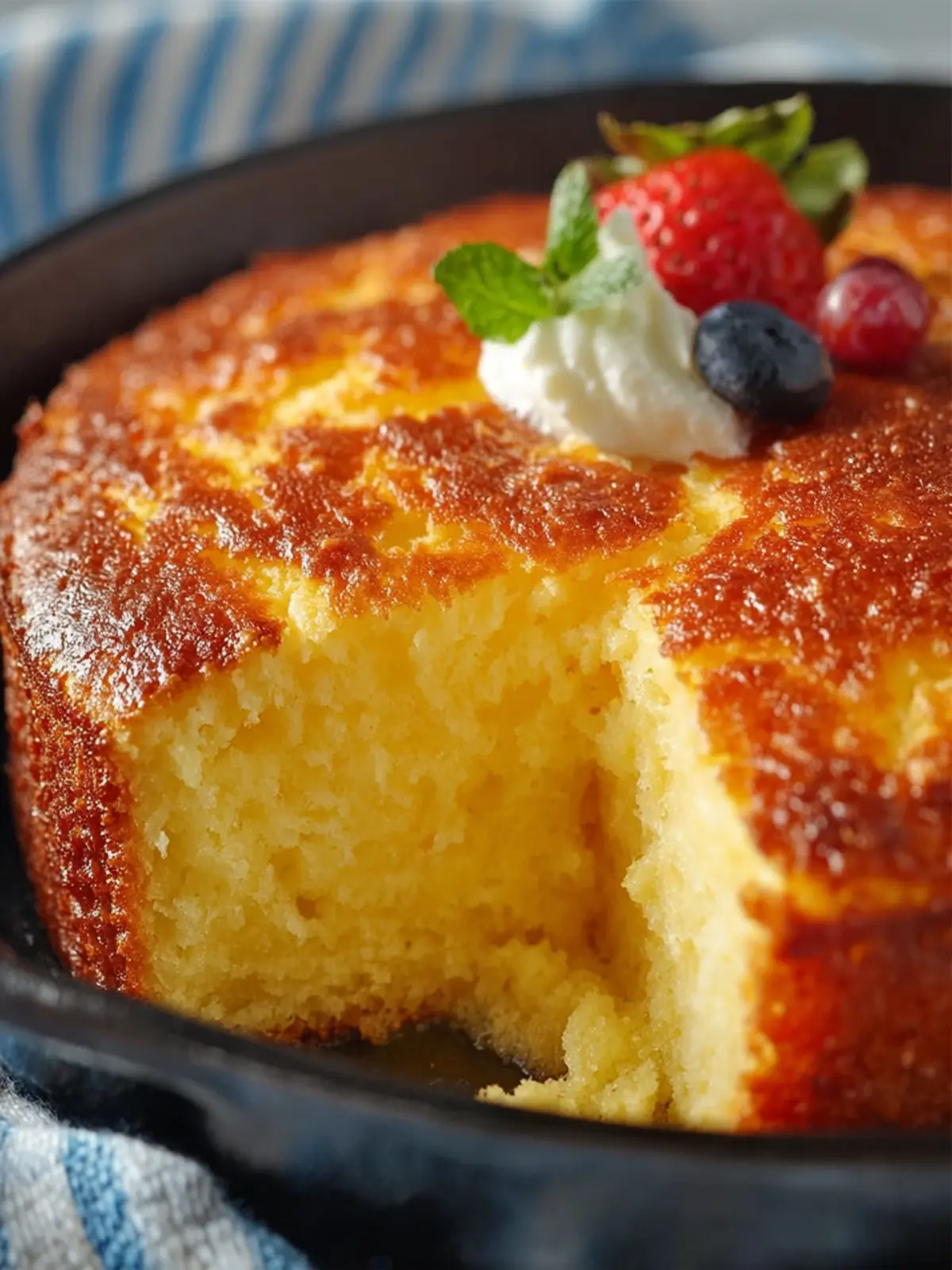
Key Ingredients for Colonial Spoon Bread
Colonial Spoon Bread is a delightful dish that captures the warmth of early American kitchens, inviting us to experience a taste of history. With a few simple yet crucial ingredients, this recipe embodies the spirit of traditional cooking.
-
Cornmeal: The star of the show is definitely the cornmeal. Use finely ground cornmeal for a smoother texture. It delivers that classic flavor associated with Southern cooking and makes the spoon bread soft and creamy.
-
Milk: I opt for whole milk to lend richness and depth to the dish. The creaminess helps achieve that dreamy, custard-like consistency which is essential for the perfect spoon bread.
-
Eggs: These serve two important purposes in our recipe. Eggs not only bind the ingredients but also enhance the overall texture, making it light and fluffy.
-
Butter: Butter plays a dual role—first, it enriches the flavor of the bread, and second, a little melted butter stirred in gives that heavenly golden crust that you just can’t resist.
-
Baking Powder: Don’t forget the baking powder! This leavening agent is crucial; it helps the spoon bread rise, achieving that airy quality we all crave.
-
Salt: A pinch of salt elevates all these flavors, balancing the sweetness of the cornmeal.
With these key ingredients, you’ll be well on your way to creating a delicious Colonial Spoon Bread that will charm your dinner guests and possibly spark delightful conversations about its rich history!
Why You’ll Love This Colonial Spoon Bread
When you dive into the world of Colonial Spoon Bread, you’re embarking on a culinary journey that celebrates the rich history and flavors of early American cuisine. This dish was a staple on the tables of our ancestors, combining simple ingredients to deliver a warm, comforting side that perfectly complements just about any meal.
A Unique Texture
One of the joys of Colonial Spoon Bread is its delightful, creamy texture that seems to melt in your mouth. The perfect balance of cornmeal and milk creates a dish that’s soft yet sturdy enough to hold its own on your plate. Imagine a warm, spoonful of this comforting bread alongside your favorite stew or roasted meat—it’s simply irresistible!
Versatile and Adaptable
What I love most about this recipe is its flexibility. While it holds true to traditional flavors, you can easily tweak it to suit your palate. Adding herbs, cheese, or even a hint of spice allows for culinary creativity while maintaining the essence of this historical dish.
A Taste of History
By making Colonial Spoon Bread, you’re not just preparing a meal; you’re connecting with the past. This dish invites you to gather around the table with friends and family, sharing stories and making memories. Whether you’re hosting a dinner party or enjoying a cozy night in, it’s a wonderful conversation starter that brings people together.
In essence, this spoon bread is more than just a recipe; it’s an experience, a piece of history, and a delightful addition to any meal. Give it a try, and I’m confident that you’ll fall in love just like many have for centuries!
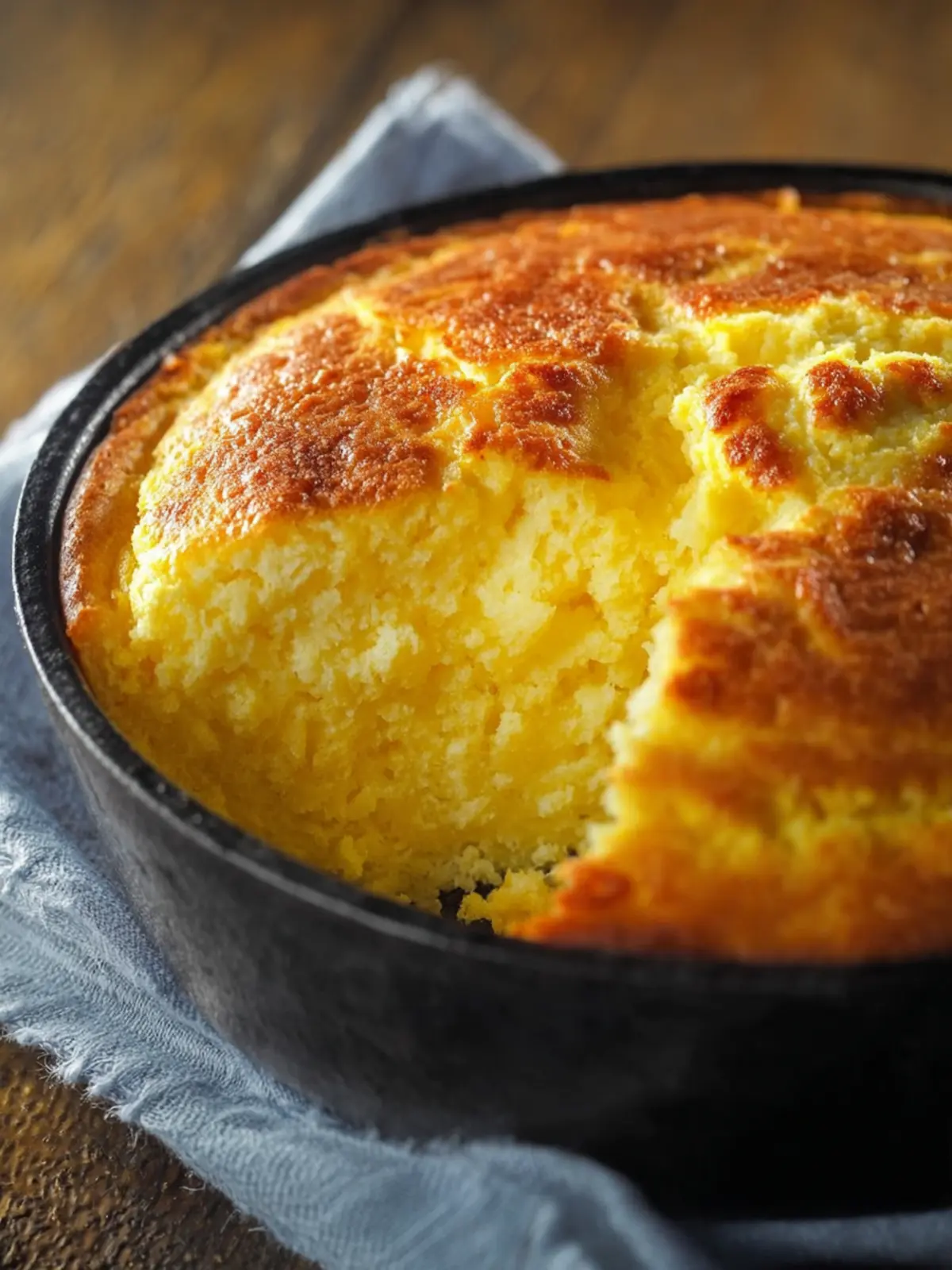
Variations on Colonial Spoon Bread
When it comes to Colonial Spoon Bread, the beauty lies in its versatility. This traditional dish is not only an indulgent treat but also a canvas for culinary creativity. Here are some delightful variations to inspire you:
Savory Additions
- Cheese: Incorporating shredded sharp cheddar or crumbled feta can add a rich, creamy flavor. Just fold it into the batter for a cheesy surprise in every bite.
- Herbs and Spices: Fresh herbs like chives, rosemary, or thyme add a fragrant note. A pinch of garlic powder or smoked paprika can also elevate the flavor profile.
Sweet Twists
- Fruits: Stir in fresh or dried fruits such as blueberries or cranberries for a natural sweetness. They not only enhance flavor but also bring a pop of color.
- Spices: For a cozy twist, consider adding cinnamon or nutmeg. These warm spices can complement any savory additions you make.
Dietary Adjustments
- Gluten-Free: If you’re on a gluten-free diet, you can swap regular cornmeal with a certified gluten-free cornmeal. This keeps the dish delicious while accommodating your dietary needs.
Experimenting with Toppings
- Syrups and Sauces: Serve your Colonial Spoon Bread with a drizzle of honey, maple syrup, or a dollop of your favorite jam for a sweet finish.
- Creamy Sauces: A rich cheese or béchamel sauce can make this dish a star at your dinner table.
Each variation on Colonial Spoon Bread reflects a little bit of your culinary personality, so don’t hesitate to play around and create your own version!
Cooking Tips and Notes for Colonial Spoon Bread
Creating a delicious Colonial Spoon Bread is not just about following the recipe; it’s about enjoying the process and making it your own. This dish has a rich history, having graced tables since colonial times, and with a few helpful tips, you can ensure your spoon bread turns out perfectly every time.
Sweetening the Deal
When it comes to sweetening, whether you prefer the wholesome sweetness of honey or a touch of sugar, use what resonates with your palate. If you’re aiming for a more traditional taste, try brown sugar for a hint of caramel flavor that beautifully complements the cornmeal.
The Cornmeal Choice
For the best results, opt for a fine cornmeal instead of coarse. This ensures a smoother texture, which is essential for that comforting spoon bread consistency. Some may even recommend a stone-ground cornmeal for a more authentic flavor.
Whisk Your Way to Perfection
Properly whisk your dry ingredients to aerate them. This simple step can make a noticeable difference in the final texture. Also, when mixing wet and dry ingredients, do it gently to avoid overmixing; a few lumps are perfectly fine!
Timing is Key
Bake your Colonial Spoon Bread until it is golden brown and a bit crispy on the edges but still soft in the middle. This will give you that perfect contrast between textures.
Remember, every home chef adds their pinch of love. Enjoy your spoon bread journey!
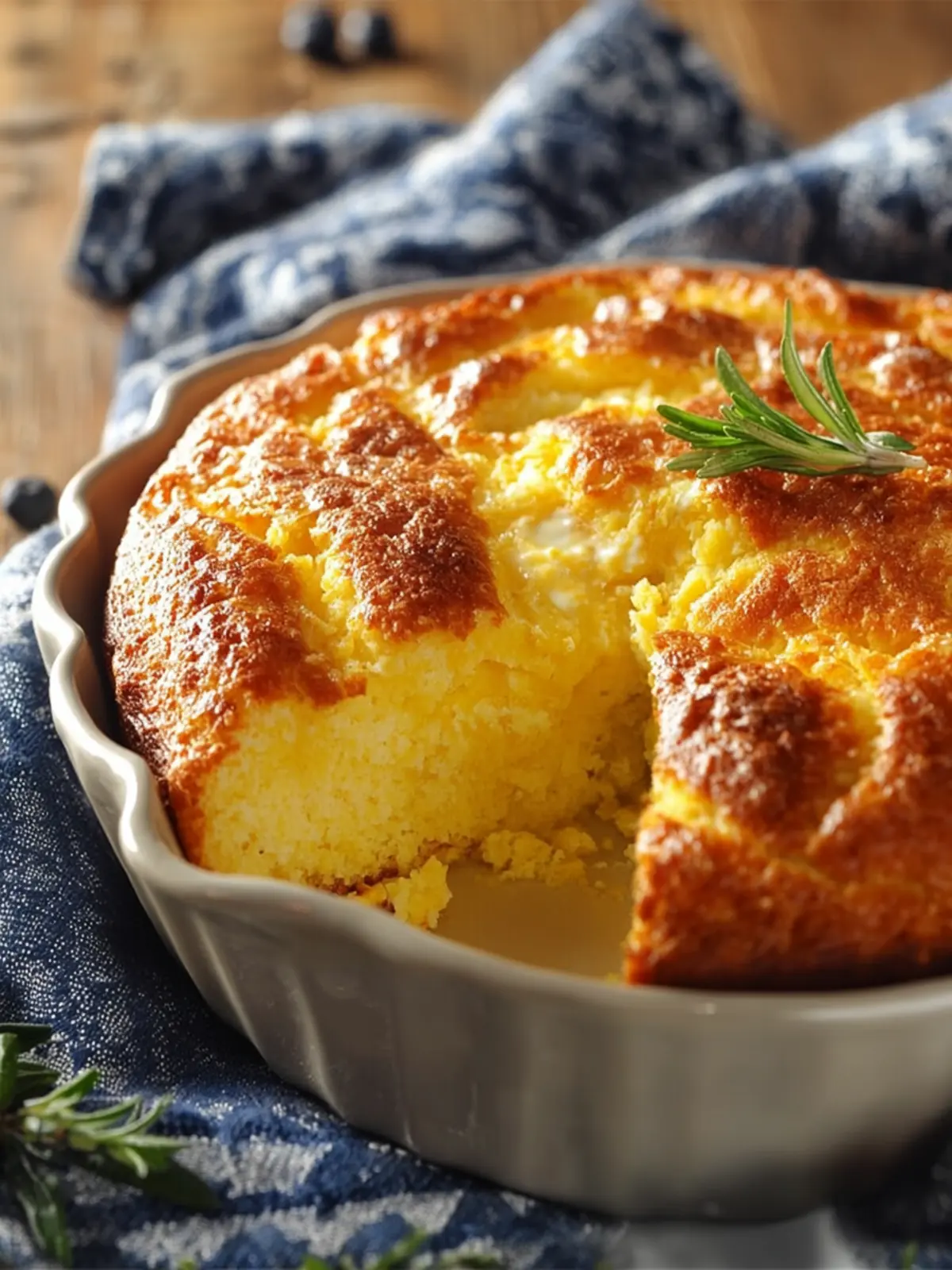
Serving Suggestions for Colonial Spoon Bread
The first time I tried Colonial Spoon Bread, it reminded me of cozy family dinners where every bite felt like wrapping myself in a warm quilt. This versatile dish has a light, creamy texture that makes it a delightful accompaniment to various meals. Serving it with heartwarming sides can elevate your dining experience.
Pairing with Savory Dishes
-
Roasted Meats: The soft texture of Colonial Spoon Bread complements the crispy outer layer of roasted meats like chicken, pork, or beef. Imagine a hearty slice of roast perched alongside a generous spoonful of this dish, the flavors melding beautifully.
-
Sautéed Greens: Enhance your meal by serving Spoon Bread with sautéed greens like collard greens or spinach. Their slightly bitter notes offer a perfect contrast to the dish’s sweetness.
Top with Tasty Additions
-
Cheese and Herbs: Consider adding a sprinkle of freshly grated cheese or chopped herbs atop your spoon bread. A bit of aged cheddar or a dash of parsley adds an exciting flavor layer.
-
Honey Butter: Drizzling honey butter over warm spoon bread is a fantastic way to add sweetness, making it a perfect choice for breakfast or brunch.
Embrace the comforting, delightful essence of Colonial Spoon Bread. Let each serving enhance your meals, inviting conversation and laughter around the table.
Time Breakdown for Colonial Spoon Bread
Embarking on the journey of making Colonial Spoon Bread is not just about indulging in a comforting dish, but also about savoring a slice of history in your kitchen. Here’s a quick look at the time you’ll need to create this delightful dish.
Preparation Time
The beauty of Colonial Spoon Bread lies in its simplicity. You’ll need about 15 minutes to gather your ingredients and prepare the batter. This is the perfect time to immerse yourself in the aromas of cornmeal and butter that will soon fill your kitchen.
Cooking Time
Once your mixture is ready, it’s time for the magic to happen. Bake the dish for 30-35 minutes. As it bakes, the golden crust will form, encapsulating a warm, fluffy interior that’s simply irresistible.
Total Time
In total, you’ll spend approximately 45-50 minutes from start to finish. That’s just enough time to set the table, gather your loved ones, and prepare for the delightful experience of enjoying homemade Colonial Spoon Bread.
Nutritional Facts for Colonial Spoon Bread
When you savor a warm, delectable bowl of Colonial Spoon Bread, it’s not just comfort food; it’s also a nourishing choice. Knowing the nutritional facts can help you enjoy this dish even more.
Calories
Each serving of Colonial Spoon Bread contains approximately 180 calories, making it a satisfying side without overly burdening your daily caloric intake.
Protein
This dish is a decent source of protein, offering about 4 grams per serving. This can contribute to your daily protein goals, especially when paired with a protein-rich main dish.
Sodium
With around 250 milligrams of sodium per serving, Colonial Spoon Bread is moderate in sodium content, so it’s a good option if you’re watching your salt intake while still enjoying flavorful dishes.
This delightful dish brings history to your table while ensuring you’re also mindful of nutrition!
FAQs about Colonial Spoon Bread
Colonial Spoon Bread is a delightful Southern dish that evokes warmth and comfort, perfect for gatherings and family meals. As you prepare this sumptuous dish, you might have some questions. Let’s explore some common queries about making Colonial Spoon Bread.
Can I make Colonial Spoon Bread ahead of time?
Absolutely! Preparing Colonial Spoon Bread in advance can save you time, especially when hosting a dinner. You can mix the ingredients and pour the batter into your baking dish a few hours earlier. Just cover it and refrigerate until you’re ready to bake. However, it’s best to bake it right before serving to enjoy that warm, freshly-baked texture.
How do I store leftover spoon bread?
Storing leftover Colonial Spoon Bread is easy. Once it has cooled completely, transfer it to an airtight container. It can be kept in the refrigerator for up to three days. If you want to savor it for longer, you can freeze it as well. Just slice it into portions, wrap it tightly in plastic wrap, and then store it in a freezer bag. To reheat from the fridge or freezer, simply place it in the oven at a low temperature until warmed thoroughly.
What are the best toppings for Colonial Spoon Bread?
When it comes to topping Colonial Spoon Bread, the possibilities are endless! Here are a few favorites:
- Savory: A sprinkle of grated cheese or a dollop of sour cream elevates the flavor.
- Sweet: For a sweeter twist, drizzle honey or maple syrup over the top. Fresh fruit or preserves can also add a delightful touch.
Feel free to get creative and explore flavors that you love!
Conclusion on Colonial Spoon Bread
In exploring the delicious world of Colonial Spoon Bread, we’ve uncovered a recipe that not only fills the belly but also the heart. This dish represents a beautiful blend of simplicity and warmth, often bringing friends and family together. As you savor each spoonful, you’ll appreciate the soft, fluffy texture and the slight sweetness that makes it a standout at any table. Don’t hesitate to make it your own by adding flavors or ingredients that resonate with your personal taste. Whether served as a side or a warm treat, Colonial Spoon Bread is a delightful experience worth sharing.
Print
Cornmeal Bake
- Total Time: 50 minutes
- Yield: 6 servings 1x
- Diet: Vegetarian
Description
This delicious cornmeal bake is perfect for any meal of the day!
Ingredients
Scale
- 1 cup cornmeal
- 2 cups whole milk
- 2 tablespoons butter
- 3 large eggs, separated
- 1 teaspoon baking powder
- 1/2 teaspoon salt
Instructions
- In a medium saucepan over medium heat, combine the milk and cornmeal. Whisk constantly until the mixture thickens and becomes smooth.
- Remove the saucepan from heat and stir in the butter until melted. Let it cool slightly.
- Whisk in the egg yolks, baking powder, and salt until well combined.
- In a separate bowl, beat egg whites until soft peaks form using a hand mixer or stand mixer.
- Gently fold the egg whites into the cornmeal mixture in batches, maintaining as much air as possible.
- Pour the batter into a well-buttered 9×9-inch baking dish and smooth the top.
- Bake at 375°F (190°C) for 35 minutes, or until golden brown and puffed.
- Serve warm with your choice of savory or sweet toppings.
Notes
- This dish can be served as a side or main dish depending on your toppings.
- Experiment with toppings such as cheese, honey, or fruit.
- Prep Time: 15 minutes
- Cook Time: 35 minutes
- Category: Breakfast
- Method: Baking
- Cuisine: American
Nutrition
- Serving Size: 1 piece
- Calories: 220
- Sugar: 2g
- Sodium: 250mg
- Fat: 10g
- Saturated Fat: 6g
- Unsaturated Fat: 4g
- Trans Fat: 0g
- Carbohydrates: 30g
- Fiber: 3g
- Protein: 6g
- Cholesterol: 120mg