Follow Me On Social Media!
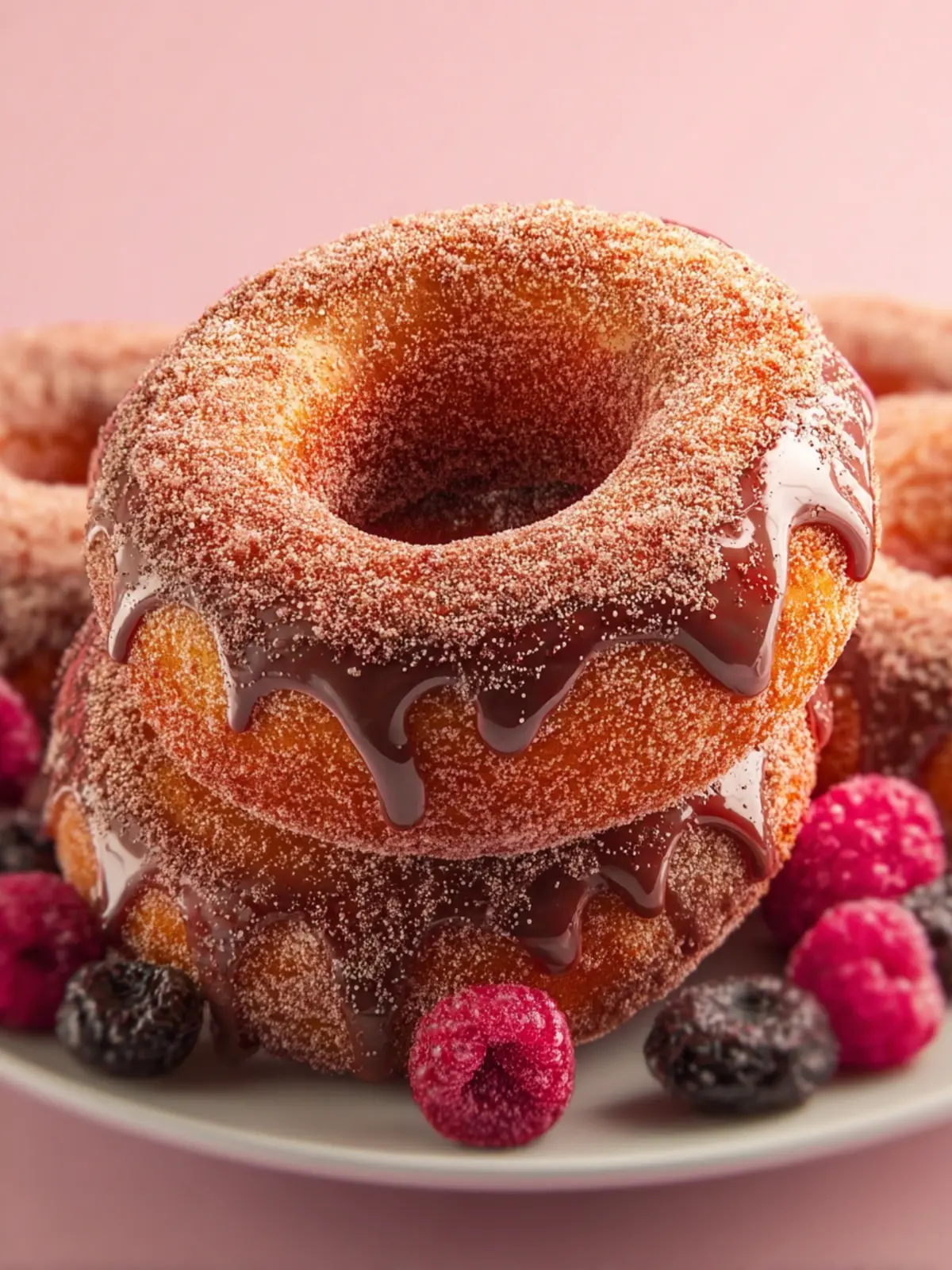
Gluten-Free Yeast Donuts: Irresistibly Soft & Light!

Introduction to Gluten-Free Yeast Donuts
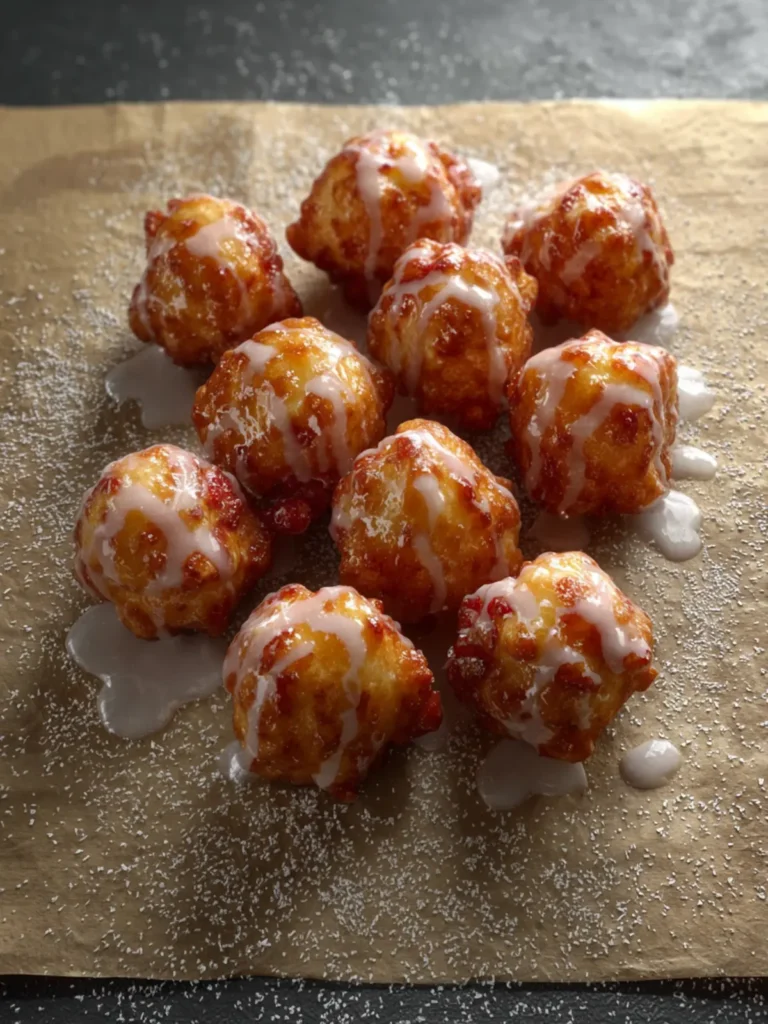
Discovering the joy of gluten-free yeast donuts has a way of transforming your mornings into something special. Imagine the aroma of freshly baked donuts wafting through your kitchen, enticing you to take a bite. These delightful treats are not just for those avoiding gluten; they can become a cherished staple for anyone, thanks to their light, fluffy texture and delicious flavor.
What makes gluten-free yeast donuts unique? Unlike their traditional counterparts, these donuts are made without wheat flour, relying instead on gluten-free flour blends that mimic the elasticity found in wheat. This innovation provides a moist and tender crumb, perfect for soaking in those delicious glazes and toppings. The process of yeast fermentation also gives these donuts a delightful complexity, resulting in a flavor profile that’s simply irresistible.
When it comes to preparation, making gluten-free yeast donuts might seem daunting, but fear not! The method mirrors traditional donut making closely—combine your dry ingredients, allow the yeast to work its magic, and shape your donuts before frying or baking them to perfection. The key to achieving that perfect rise lies in the quality of your gluten-free flour and the activation of your yeast.
Here’s a quick overview of the uniqueness in each part of the process:
- Yeast Activation: Using warm liquid to activate the yeast is crucial. It ensures a proper rise, creating donuts that are airy and light.
- Flour Blends: A gluten-free all-purpose flour blend often includes a mix of rice flour, potato starch, and tapioca flour, which mimics the texture of traditional flour while keeping those gluten-free needs in mind.
- Diversity in Toppings: The world of toppings is your oyster! From classic powdered sugar to innovative maple-glazed or chocolate-frosted varieties, the possibilities are endless.
So, why not roll up your sleeves and delve into the scrumptious world of gluten-free yeast donuts? You might just find a new favorite morning treat!
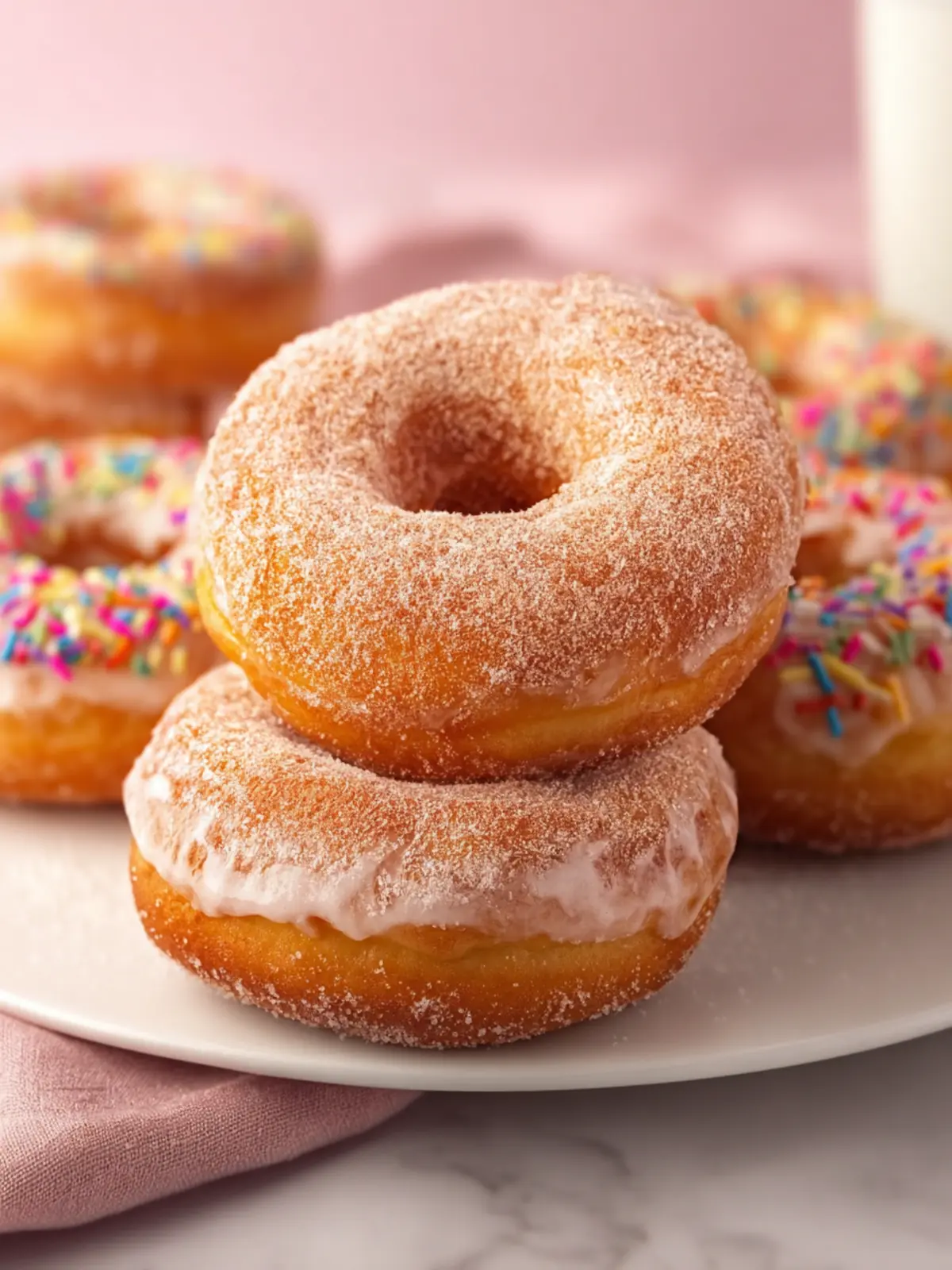
Key Ingredients for Gluten-Free Yeast Donuts
Gluten-free yeast donuts bring a delightful twist to classic recipes, allowing everyone to indulge in a soft, fluffy treat. Having perfected my version, I can’t wait to share the essential ingredients that make these donuts an irresistible delight.
-
Gluten-Free Flour Blend: The backbone of this recipe, I recommend a quality, pre-mixed gluten-free flour blend. Look for one that contains xanthan gum to help mimic the elasticity found in traditional flour. This ensures your donuts have that perfect rise and texture.
-
Yeast: Fresh or active dry yeast is a must for creating that light and airy donut. This magic ingredient helps the dough rise, creating those fluffy layers we all love.
-
Sugar: I opt for granulated sugar for sweetness and a hint of brown sugar to deepen the flavor. The balance of sugars adds a lovely caramel note when the donuts are fried.
-
Milk: Using a warm milk (dairy or non-dairy) activates the yeast while adding moisture, making your donuts tender and delicious.
-
Eggs: Eggs not only add structure but also contribute to a rich flavor profile. They help bind the ingredients together, ensuring each bite is delightful.
-
Butter: Melted butter adds a rich taste and aids in keeping the donuts moist. It’s complementary to the sweetness and makes for a luscious finish.
With these key ingredients in hand, you’re all set to create gluten-free yeast donuts that will have everyone craving seconds!
Why You’ll Love This Recipe
Indulgence is just a bite away with these gluten-free yeast donuts. Imagine waking up to the aroma of freshly baked donuts wafting through your kitchen—irresistible, right? This recipe makes it possible to enjoy that morning ritual without the gluten. Perfect for brunch gatherings or just a cozy day at home, these donuts will become a staple in your recipe collection.
What makes these gluten-free yeast donuts a must-try?
-
Light and Fluffy Texture: Thanks to the combination of gluten-free flour and yeast, these donuts are airy and pillowy, just like the traditional versions. You’ll never miss the gluten!
-
Endless Variations: Feel free to customize with your favorite glazes, fillings, or toppings. Whether you love chocolate, vanilla, or fruity flavors, there’s a donut for every craving.
-
Healthier Choice: Made with wholesome ingredients, you can feel good about indulging. Plus, they’re easy to whip up, so you can satisfy your sweet tooth without the guilt.
-
A Sweet Family Affair: Baking these donuts can be a fun way to spend time with loved ones. Gather your friends, roll up your sleeves, and dive into the delicious world of homemade sweets.
In short, these gluten-free yeast donuts are the perfect blend of flavor, fun, and guilt-free indulgence, ready to delight your taste buds.
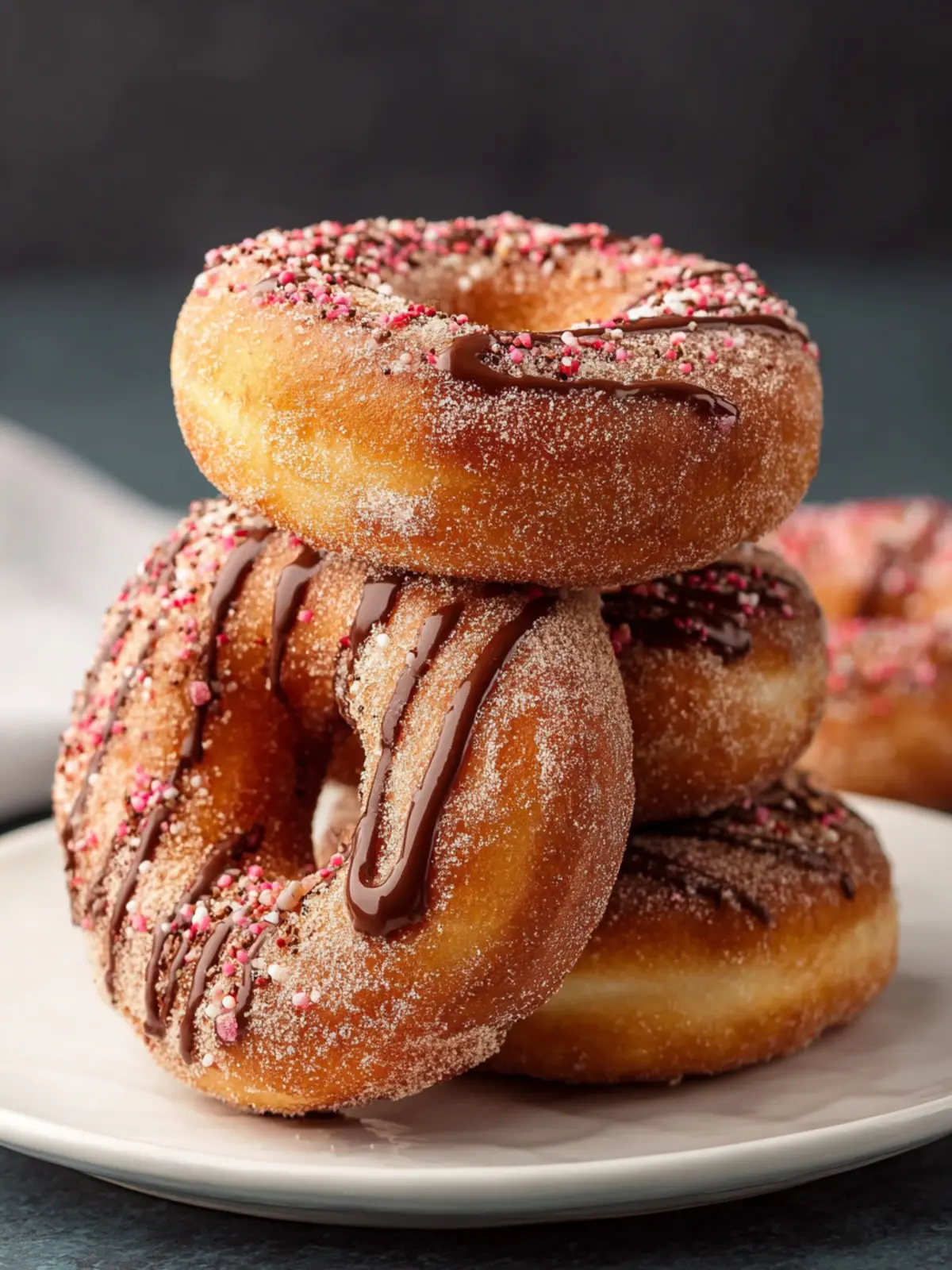
Tips for Making Perfect Gluten-Free Yeast Donuts
Creating gluten-free yeast donuts at home can feel like a delightful challenge. Armed with the right tips, you can master this sweet art and enjoy fresh, fluffy donuts that rival any bakery treat.
Choose the Right Flour Blend
The key to successful gluten-free baking lies in using a high-quality flour blend. Look for a mix that includes xanthan gum or add it yourself. This will help emulate the elasticity typically found in wheat flour, giving your donuts that perfect rise.
Hydrate with Care
When mixing your dough, remember that gluten-free flours often absorb more liquid. Gradually add your liquids until the dough achieves a soft, slightly sticky consistency. This will ensure your gluten-free yeast donuts are tender and fluffy.
Knead with Love
Unlike traditional doughs, gluten-free variations require less kneading. Just a gentle mix until the ingredients incorporate will do. Over-kneading can result in dense donuts instead of the light, airy texture you desire.
Optimize Proofing Time
Be patient during the proofing stage. Allow your donuts to rise in a warm, draft-free environment. This step is crucial for developing flavor and texture. Remember, the dough should double in size!
Fry to Perfection
Whether you choose to fry or bake, temperature is key. If frying, maintain oil temperature around 350°F (175°C) to ensure your donuts cook evenly without absorbing too much oil.
By following these tips, you’ll create gluten-free yeast donuts that are swoon-worthy and simply irresistible!
Time Details for Gluten-Free Yeast Donuts
Are you ready to embark on a delicious journey to make gluten-free yeast donuts that are fluffy, sweet, and utterly irresistible? To tackle this delightful recipe effectively, it’s essential to understand the time commitment involved.
Preparation Time
Expect to spend about 20-30 minutes mixing and preparing your ingredients. This is the fun part where you get to whip together the wet and dry components, creating a batter that promises light, airy donuts.
Rising Time
Patience is key for the best gluten-free yeast donuts! Allow the dough to rise for approximately 1 hour. This step is crucial as it develops the texture and flavor, making your donuts perfectly fluffy.
Cooking Time
Once the dough has risen, you’ll be just 5-6 minutes away from enjoying these treats. Fry the donuts until golden brown, and take in that heavenly aroma wafting through your kitchen.
By planning your time well, you’ll have a batch of gluten-free yeast donuts that are as delightful to make as they are to eat!
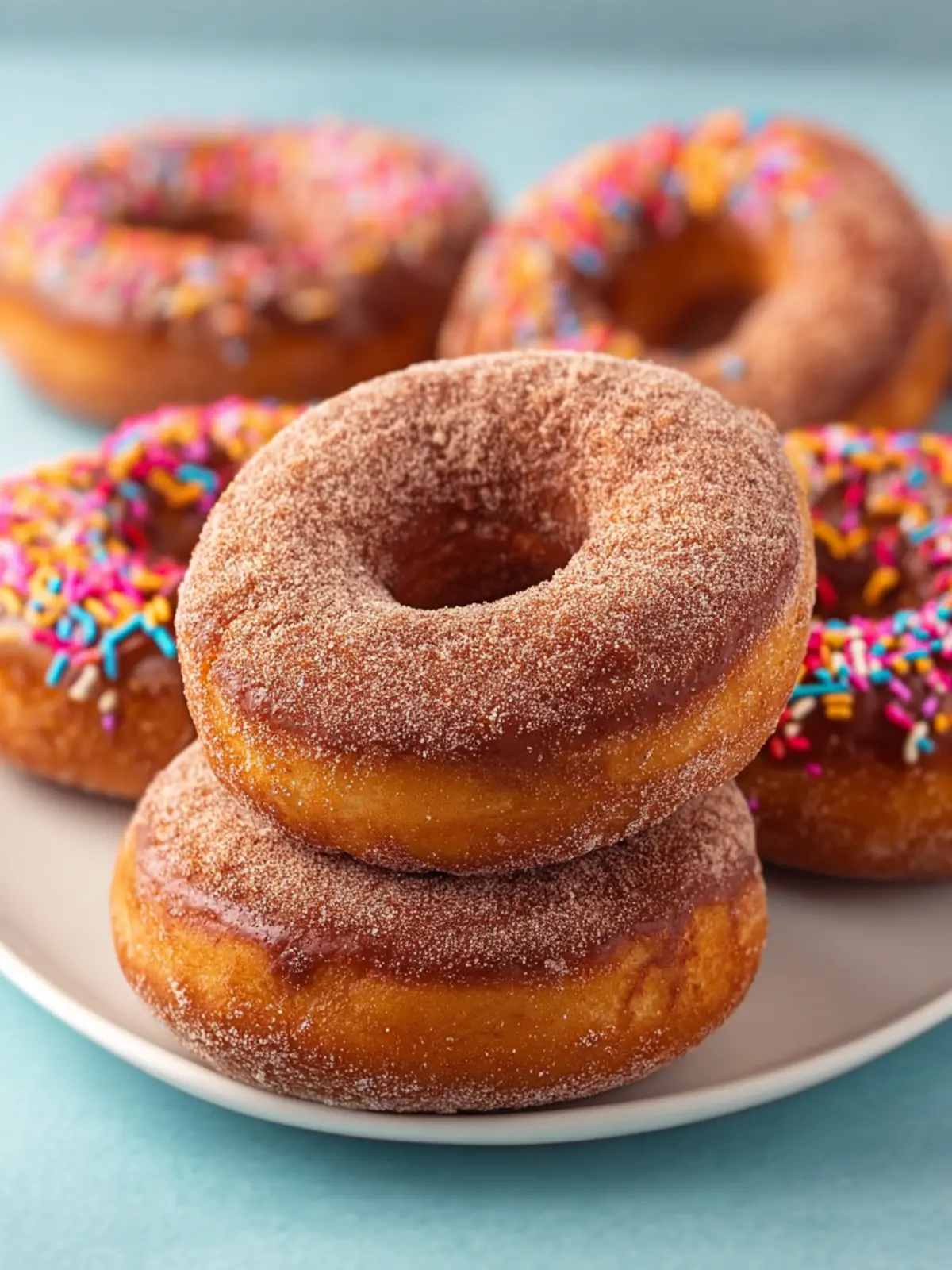
Nutritional Information for Gluten-Free Yeast Donuts
When you indulge in gluten-free yeast donuts, understanding their nutritional profile can help you enjoy them mindfully. Let’s break it down:
Calories
Each donut typically contains about 180-220 calories, making them a sweet treat that you can enjoy without too much guilt. This calorie range is perfect for a midday snack or a delightful dessert, allowing you to satisfy your cravings while keeping track of your daily intake.
Protein
These gluten-free yeast donuts provide around 3-5 grams of protein each. While not a protein powerhouse, this amount can contribute to your daily nutritional needs, especially when paired with a protein-rich beverage like coffee or a smoothie.
Sodium
With approximately 150-200 milligrams of sodium per donut, they are relatively low in salt. This is great for those keeping an eye on their sodium intake, but as with all treats, moderation is key! Enjoy these light, fluffy delights and remember that balance is essential.
FAQs about Gluten-Free Yeast Donuts
Making delicious gluten-free yeast donuts is a delightful experience, but it’s natural to have questions along the way. Let’s dive into some frequently asked questions to help you create the perfect batch of these soft and fluffy treats!
Can I substitute the gluten-free flour for regular flour?
While you may be tempted to use regular flour, it’s important to remember that gluten-free flour and all-purpose flour behave quite differently. Using regular flour will result in a different texture and taste that won’t yield the desired softness of gluten-free yeast donuts. For best results, stick to a high-quality gluten-free flour blend specifically designed for baking that includes xanthan gum or another binding agent to help replicate the texture of gluten.
How can I ensure my donuts remain fluffy?
Achieving fluffy gluten-free yeast donuts requires attention to a few key factors:
- Fresh Yeast: Ensure your yeast is fresh and actively bubbling before you start mixing. This not only helps with rising but also enhances flavor.
- Proper Kneading: Mix and knead the dough adequately to develop the structure. This gives donuts their lightness.
- Resting Time: Don’t skip the resting period after kneading. Giving the dough time to rise helps create those fluffy layers.
What’s the best way to store leftover donuts?
If you find yourself with extra donuts, store them properly to maintain their goodness. Place them in an airtight container at room temperature for up to two days. For longer storage, consider freezing them. Wrap the donuts tightly in plastic wrap and place them in a freezer-safe bag. They can be frozen for up to three months. When ready to enjoy, simply let them thaw at room temperature and warm them slightly in the oven for that fresh-from-the-oven taste!
Conclusion on Gluten-Free Yeast Donuts
Creating gluten-free yeast donuts at home is a delightful experience that combines indulgence with dietary mindfulness. These sweet treats not only satisfy your cravings but also ensure everyone can join in on the fun, regardless of dietary restrictions. By using quality gluten-free flour and a bit of patience with the rising process, you’ll craft donuts that are airy, flavorful, and absolutely irresistible. Remember, the joy of cooking is also about sharing these moments with friends and family. So grab your favorite toppings, invite some loved ones over, and enjoy a batch of homemade gluten-free yeast donuts together!
Print
Gluten-Free Donuts
- Total Time: 2 hours 50 minutes
- Yield: 12 donuts 1x
- Diet: Gluten-Free
Description
Delicious gluten-free donuts that are easy to make and perfect for any occasion!
Ingredients
Scale
- 2½ cups gluten-free flour with xanthan gum (We recommend Pillsbury or Better Batter Brand)
- ¼ cup granulated sugar
- 2 tsp baking powder
- 2 tsp instant yeast (also called rapid rise yeast)
- ½ tsp cream of tartar
- ½ tsp ground nutmeg
- ¼ tsp salt
- ¾ cup whole milk (room temperature or lukewarm)
- 1 large egg
- ¼ cup unsalted butter (melted but not hot)
- vegetable oil (for frying)
- 2 cups confectioners sugar
- ⅓ cup whole milk
- ⅓ cup granulated sugar
- 1 tsp ground cinnamon
Instructions
- In a large bowl, combine gluten-free flour, granulated sugar, baking powder, instant yeast, cream of tartar, nutmeg and salt. Stir together until well combined.
- Add milk and egg to the flour mixture. Use an electric mixer with a dough hook and knead on low to medium speed for 5 minutes. Use a spatula to blend any dry ingredients that have settled at the bottom of the bowl. Keep kneading with the dough hook for the full 5 minutes, and the dough will start to come together and smooth out.
- Knead the butter in, using the dough hook on low-medium speed, until it is well combined (about 1 minute).
- Spray a medium bowl with non-stick cooking spray and place the dough inside. Cover the bowl with food-safe plastic wrap and put it in the fridge for at least 2 hours. This can also sit overnight in the fridge. Gluten-free flour needs this time to hydrate, so don’t skip this cooled proofing time.
- Line a large baking sheet with parchment paper. Set aside for now.
- Lightly flour your work surface, your rolling pin, and your donut cutter with gluten-free flour, then place your dough on the work surface. Roll the dough out to about ¾” thickness, then use a donut cutter to cut out the donut shapes. The size of the donut cutter I used is 3” in diameter.
- Gently place the raw donuts onto the prepared baking sheet. Space the donuts at least 2 inches from each other. Wrap the baking sheet well with food-safe plastic wrap, then place it in a warm area of your kitchen to rise for 1½ to 2 hours (until about 50% larger in size).
- Heat oil in a pot that’s deep enough to have at least 2 inches in it without spilling over the edges. Oil should be heated to a temperature between 320°F and 330°F (160–166°C). Use a candy thermometer to measure the temperature of the oil. Too hot oil will burn the outside of the donut while the middle will remain raw. Oil that isn’t hot enough will result in your donut turning into a lump of dough and not holding its shape. A candy thermometer is essential as the temperature of your oil will make or break your donuts.
- While your oil is heating up, prepare your workspace by lining a wire rack with paper towels (to soak up oil after removing the donut from the pot). You’ll also need metal tongs for turning your donuts over while frying, plus a slotted spoon for removing the donut from the oil and placing it on the paper towel to cool.
- If this is your first time deep-frying donuts, start with frying one donut at a time. This will give you a better idea of how long to keep your donut in the oil. At a temperature of 330°F (165℃), I cook the donuts for less than a minute on each side. You’re looking for a golden color, but not too brown, as that will lead to a burnt outer layer.
- Use the metal tongs to flip donuts over in the oil during frying.
- Use a slotted spoon to scoop donuts out of the oil and place on the paper towel lined wire rack.
- Let the donuts cool slightly (about 10 minutes) before adding toppings.
- For glazed donuts, stir the confectioner’s sugar and milk together until smooth. Dip donuts as desired (either fully dipping them or just dipping the tops). Add gel food coloring if you like.
- For cinnamon-sugar donuts, stir the sugar and cinnamon together. Dip both sides of the warm donut into the mixture and gently shake off any excess. This needs to be done while the donuts are warm, or the sugar mixture won’t stick.
Notes
- Ensure the oil temperature is accurate for best results.
- Let the dough proof properly to get fluffy donuts.
- Experiment with different toppings for variety.
- Prep Time: 30 minutes
- Cook Time: 20 minutes
- Category: Dessert
- Method: Frying
- Cuisine: American
Nutrition
- Serving Size: 1 donut
- Calories: 270
- Sugar: 15 g
- Sodium: 100 mg
- Fat: 15 g
- Saturated Fat: 7 g
- Unsaturated Fat: 5 g
- Trans Fat: 0 g
- Carbohydrates: 30 g
- Fiber: 1 g
- Protein: 3 g
- Cholesterol: 50 mg